Your Balcony solar, Your Energy
Heavy, shade-prone, hard to register? Sungold is lightweight, no-drill,
shade-smart—up to 800W plug-and-play with full compliance & a registration guide.
Sungold Balcony Solar Panels
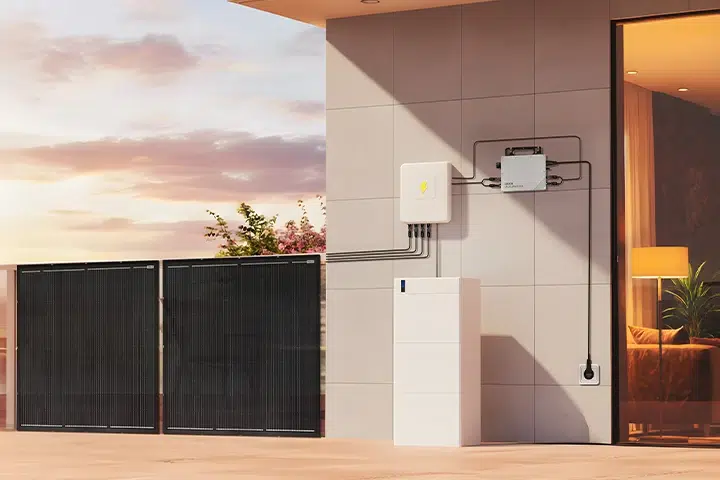
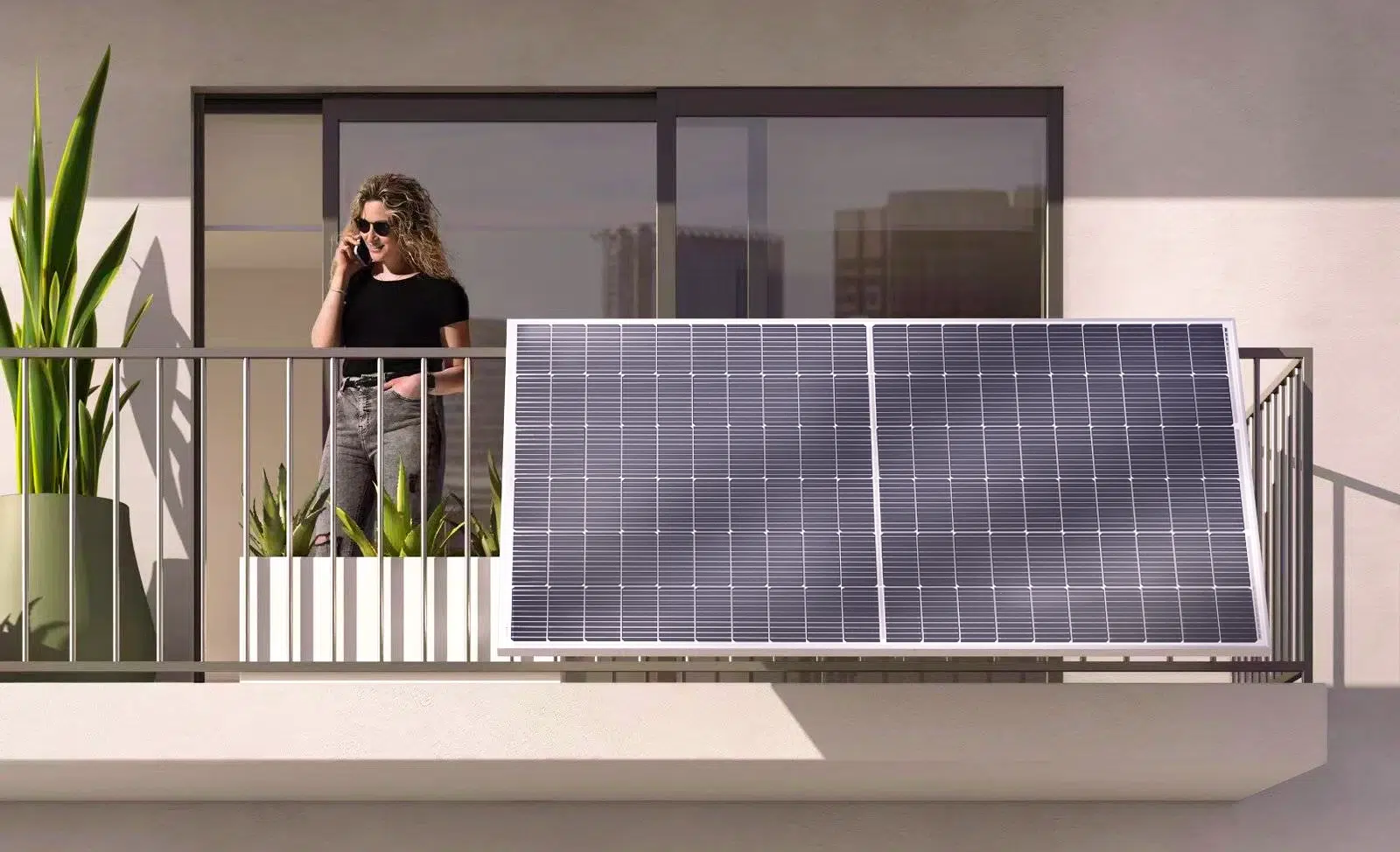
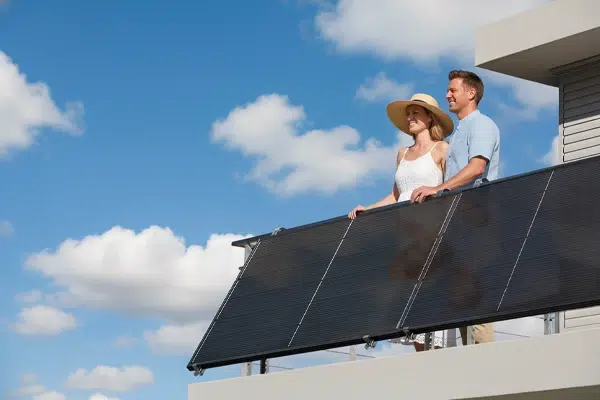
At Sungold, you’ll find complete balcony solar systems—an easy way to harness sustainable solar energy from your balcony. From rooftops to balconies, and from gardens to walls—designed to suit your space.These systems are lightweight and versatile, making them easy to install and relocate when needed. Combined with portable solar panels, they provide flexible and efficient energy solutions for modern urban living.
Choose your plug-and-play solar system
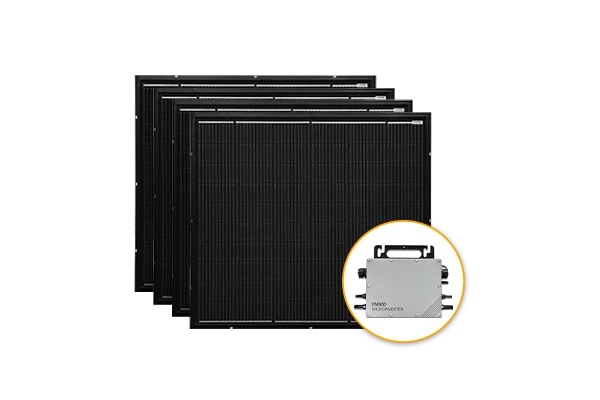
Sungold Lightweight & Rugged Kit (800 Wp)
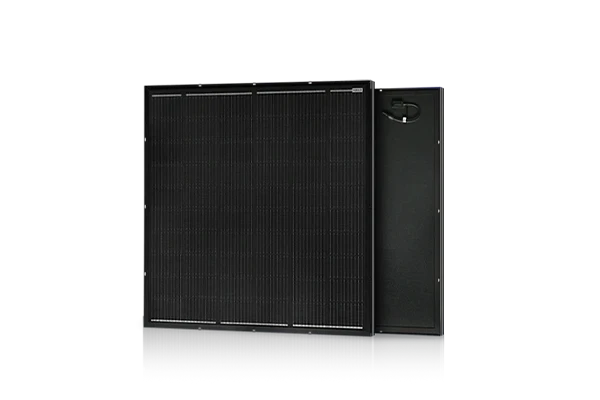
4 × 220W PA621 Lightweight Solar Panel – Lightweight And Bendable For Curved, Low-Profile Roofs...
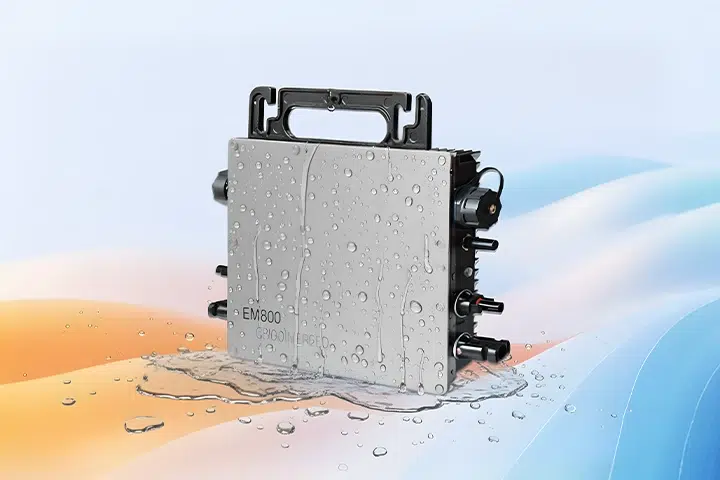
1 × 800W microinverter
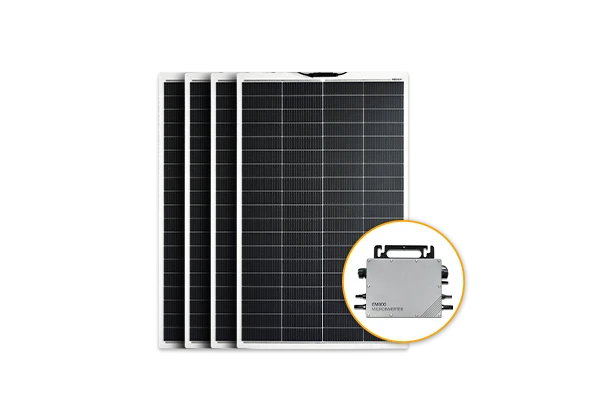
Sungold Ultra-light Flexible Kit (800 Wp)
4 × 200 W PA219 Flexible Solar Panel – Lightweight And Bendable For Curved, Low-Profile Roofs...
1 × 800 W microinverter
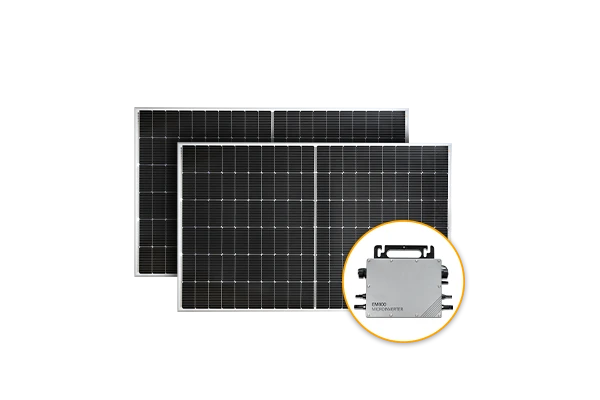
Sungold Standard Kit (800 Wp)
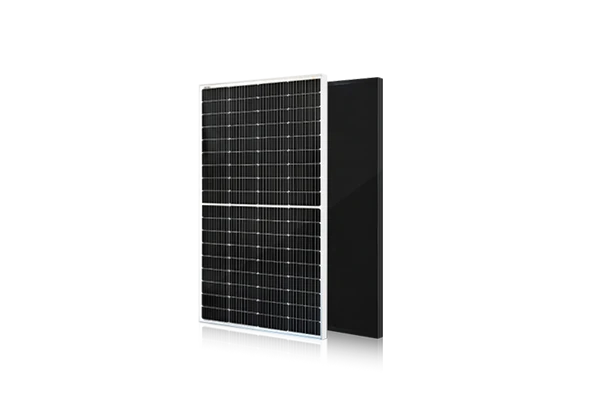
2 × 435 W Rigid Solar Panel Is A Patented 6 mm backsheet for efficient heat dissipation...
1 × 800 W microinverter
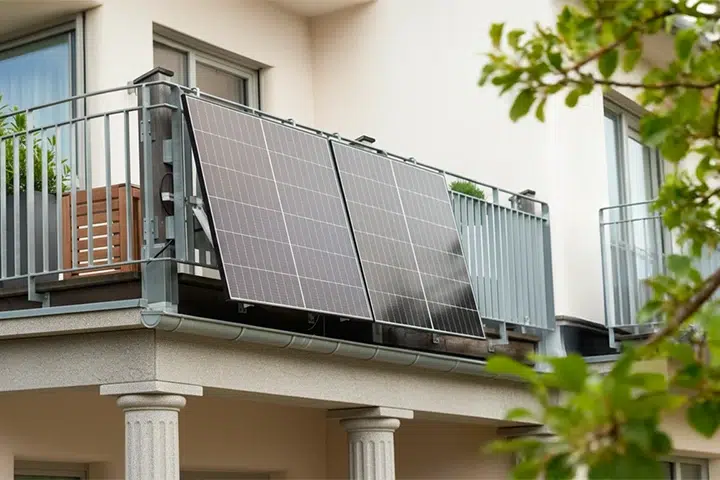
Break the limits. Turn any space into a solar station
-
Ultra-light (~30% of rigid solar panels): safer, one-person handling.
-
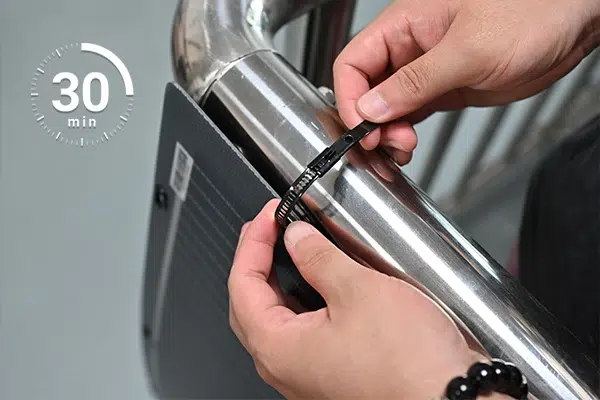
True plug-and-play: no tools or drilling—straps/clamps/adhesive.
-
Shade-smart: cell-level optimisation keeps output steady.
-
800 W ready: pre-set to 600–800 W limits; microinverter-compatible.
Pain Points vs. Solutions
Is traditional balcony solar too heavy, too hard to install, and easily affected by shading?With the balcony solar panel kit, these challenges are now a thing of the past. It offers lightweight, easy-to-install solutions designed to maximize energy output even in partially shaded environments.
Heavy, with safety risks
20–25 kg rigid solar panels strain railings; higher drop risk in strong winds.
Low output?
Railings, plants and neighbouring buildings block light; winter makes it worse.
Complex installation?
Often needs drilling, extra tools and approvals; cabling/waterproofing is fiddly.
Our Core Technology Advantages
Works seamlessly with mainstream microinverters (2× MPPT, up to 800 W output).
Ultra-light (~30% of glass)
Safer for railings; easy one-person handling.
True plug-and-play
No drilling—mount with straps, clamps or adhesive.
Built to last
≥20 MPa materials; withstands 2400 Pa wind load; resists micro-cracking.
Microinverter - ready
Works seamlessly with mainstream microinverters (2× MPPT, up to 800 W output).
Shade - smart output
Cell-level optimisation keeps power steady under partial shade.
Next-generation microinverter:
More efficient. More powerful.
65℃
-40℃
Power Your Home from Dawn to Dusk — Even in Low Light.
The Sungold plug-and-play solar system performs exceptionally well even in low-light conditions. The microinverter requires only 3W of solar input to activate, providing a stable power supply to your home, even in the early morning or at dusk.
220w PA621 lightweight solar panels
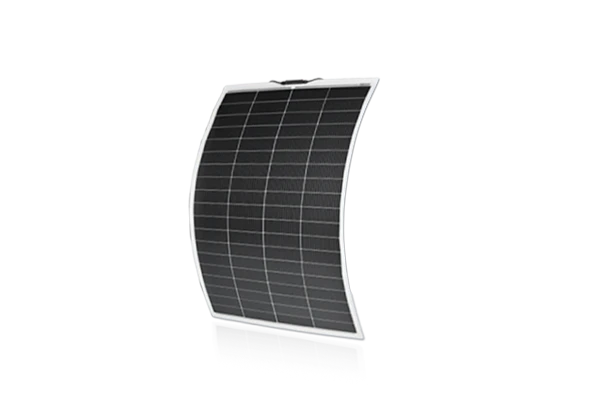
TopCon
Solar cells
SG-PA621-220W
Model
1170x1040x10 mm
Size
4.85 kg
Weight
22.7%
Efficiency
10 years
Warranty
1000V DC
Max System Voltage
200W PA219 flexible Solar Panels
TopCon
Solar cells
SG-T-PA219-200W
Model
1160x910x3mm
Size
4.8 kg
Weight
24.5%
Efficiency
10 years
Warranty
1500V DC
Max System Voltage
435W SGM rigid solar panels
TopCon
Solar cells
SGM2-N-435W
Model
1740x1134x30 mm
Size
17.9 kg
Weight
25%
Efficiency
10 years
Warranty
1000V DC
Max System Voltage
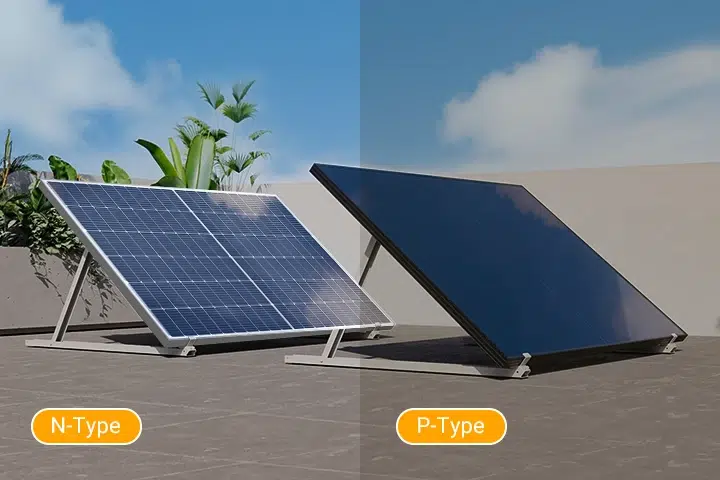
Higher Output in Low Light, Powered by N-type TOPCon
N-type solar cells harvest low light more effectively than P-type, so at dawn, dusk, or on overcast days they capture more light and generate more electricity. With advanced cell technology from Sungold Solar, these panels maintain higher efficiency even in diffused light conditions. This ensures consistent and reliable energy generation throughout the day, maximizing overall solar performance.
Solar power generation time
07:00
18:00
06:00
19:00
New mounting brackets,
DIY-friendly for any setting.
Customization
DIY-friendly
Plug-and-play—start generating in 30 minutes
No drilling
DIY solar system
Balcony Solar Power Solution FAQ
A typical 800W balcony solar system can generate around 600–900 kWh per year in Central Europe, depending on sunlight, orientation, and tilt angle. In Germany, a well-positioned south-facing system often produces about 750 kWh annually.
For many households, that can cover roughly 20–30% of everyday electricity use and reduce yearly electricity costs by a few hundred euros. Actual output will be lower on shaded, east-facing, west-facing, or north-facing balconies, so the best way to estimate performance is to look at your installation direction and daily sun exposure.
In Germany, plug-in balcony solar systems are currently allowed up to 800W inverter output. This is the key limit most homeowners and renters need to know when choosing a system. The unit should also be properly registered according to local grid and market data requirements.
If you are buying a balcony solar kit for the German market, it is important to choose a system that is already configured to match current rules, so installation and registration are much more straightforward. Regulations can change over time, so buyers should always confirm the latest local requirements before purchase.
In many cases, yes. Balcony solar systems are especially popular with renters because they are small, removable, and usually do not require major structural work. What matters most is how the system is mounted. A no-drill installation method is usually much more suitable for rental properties because it avoids permanent changes to the building.
Even when formal written approval is not always required, it is still a good idea to inform your landlord or property manager before installation. This helps avoid disputes and makes the whole process smoother.
The best choice depends on your balcony structure and mounting surface. Lightweight panels are usually the safest option for standard railings because they reduce the load on the mounting area. Flexible panels work well on curved, uneven, or space-limited surfaces where traditional framed panels are harder to install.
Rigid panels are often the better choice when you have a flat, strong surface and want higher output from each panel. If your balcony has partial shading or several small mounting zones, using multiple smaller panels can also be a smarter setup than relying on one or two larger ones.
Yes, but the output will be lower. A balcony solar system performs best on a south-facing balcony with good sun exposure. East- and west-facing balconies can still work well, although annual generation is usually lower. North-facing balconies are generally much less effective and are often not recommended unless there is unusually good reflected light or special site conditions.
Partial shade from railings, nearby buildings, plants, or balcony structures can also reduce output. In these situations, system design matters a lot, especially panel layout and how shading is distributed across the array.
For many households in Germany, the payback period for an 800W balcony solar system is typically around 3–5 years, depending on the system price, electricity tariff, and local sunlight conditions. Homes with higher daytime electricity use usually see the fastest return because more of the generated power is consumed directly.
After the initial payback period, the system can continue producing useful electricity for many years with relatively low maintenance. That makes balcony solar appealing not only as a sustainability upgrade, but also as a practical long-term cost-saving solution.