People who live in remote cabins or fancy estates can now live off the grid thanks to solar panels. People are thinking about how they power their lives in new ways these days, including renters, travelers, and digital nomads. Solar energy gives you freedom, whether you want to live a cleaner life, the price of electricity is going up, or the power goes out all the time.
But the truth is that a $20,000 fixed rooftop system won’t let everyone go completely off-grid.
The good news? You don’t have to begin with a lot. You can start small, grow smart, and become truly energy-independent step by step with solar panels that are modern, portable, and flexible.
Understanding an Off-Grid Solar System
Six main parts make up a full off-grid system:
Solar panels collect sunlight and turn it into direct current (DC) electricity.
Charge controller: keeps the voltage steady and stops overcharging.
A battery bank stores energy so you can use it at night or on cloudy days.
Inverter: changes DC power into AC power for use in the home.
The monitoring system keeps an eye on performance and energy flow.
Backup generator: optional help during long periods of low sunlight.
Fixed vs. Portable
Fixed glass modules: roof-mounted, professional installation.
Portable/flexible: plug-and-play, renter-friendly, repositionable. Browse Portable Solar Panels and Flexible Solar Panels.
| Component | Traditional Fixed System | Portable / Modular Setup |
|---|---|---|
| Installation | Requires professionals & permits | Plug-and-play, DIY installation |
| Cost | $15,000 – $30,000 | $500 – $5,000 scalable |
| Mobility | Permanent | Relocatable, renter-friendly |
| Maintenance | Roof access needed | Easy self-cleaning and repositioning |
| Use Case | Homeowners | Renters, RV users, travelers |
How Many Solar Panels Do You Really Need?
According to the U.S. Energy Information Administration (EIA), the average home uses about 30 kWh of energy every day, or 900 kWh per month.
If a 400W solar panel makes about 2 kWh of electricity every day, you’ll need:
30 kWh ÷ 2 kWh = 15 panels (400W each)
That adds up to about 6 kW of total power, which is enough to run a full-size home that isn’t connected to the grid.
But not everyone needs full coverage. Many users start by powering essential devices — lights, laptops, or refrigerators — before expanding later.
| Stage | Daily Use Goal | Example Devices | Solar Setup | Approx. Cost |
|---|---|---|---|---|
| Phase 1 – Starter (0.5–1 kWh/day) | LED lights, laptops, phone charging | 2×100W portable panels | $500–$1,000 | |
| Phase 2 – Partial Off-Grid (3–6 kWh/day) | Fridge, router, TV | 6×100W or 3×200W panels | $2,000–$3,000 | |
| Phase 3 – Full Off-Grid (15–30 kWh/day) | Entire home system | 15×400W fixed panels + batteries | $15,000+ |
Cost Breakdown: Fixed vs Portable Systems
| Category | Fixed Roof System | Portable or Balcony System |
|---|---|---|
| Initial Cost | $20,000 | $3,000 |
| Installation | $5,000 | $0 (DIY) |
| Maintenance (20 years) | $2,000 | $500 |
| Mobility | None | 100% relocatable |
| Resale Value | Low | High (reusable) |
| Total Lifetime Cost | $25,000 – $45,000 | ≈ $2,800 (after resale value) |
The Sungold Advantage: Portable solar systems for apartments, RVs, and off-grid cabins make renewable energy available to everyone, not just homeowners. You can start small, see how much energy you need, and then add to your setup over time without wasting equipment.
Flexible Scenarios Where Portable Solar Panels Excel
Apartments and Renters
Renters can easily set up balcony solar systems because they don’t need to drill holes, get permission from their landlord, or move them around.
Keyword: renters of balcony solar systems and portable solar panels for apartments
Mobile Homes and RVs
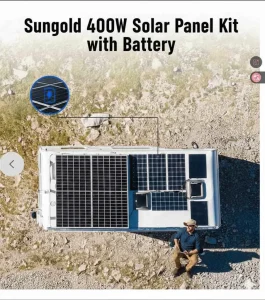
You can keep your RV’s battery charged no matter where you go with foldable solar panels. Lightweight, durable ETFE panels can follow sunlight angles for higher efficiency.
Keyword: RV solar panels that fold up
Power for a short time or season
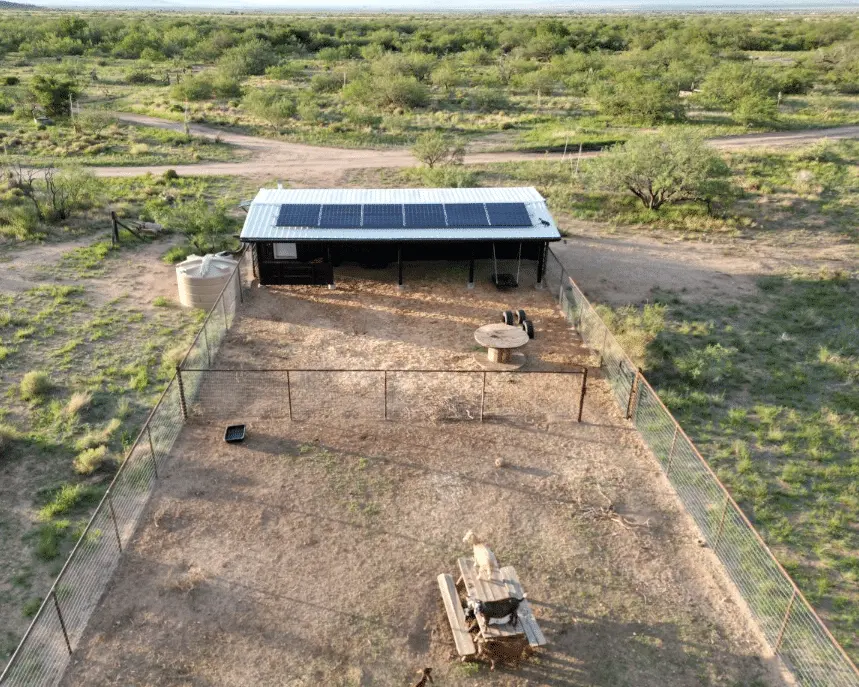
For cabins, farms, or remote work sites, use temporary off-grid power setups. You can move or grow them at any time.
Temporary off-grid power is the keyword.
People who like to do things themselves
With modern plug-and-play systems, you can set up solar panels yourself without having to hire someone to do it. You can start making power in 30 minutes by connecting MC4 cables and unfolding panels.
Keyword: DIY solar setup with no installation
People who work from home and digital nomads
Solar energy solutions that can be moved around work well with a mobile lifestyle. Energy independence goes with you whether you’re camping, working as a freelancer abroad, or living off the grid part-time.
Keyword: solar energy that can be moved
Realistic Power Output: Optimized for Flexibility
Sungold designs for real-world use.
Actual Output Formula:
Panel Power × Peak Sun Hours × 0.75 Efficiency × 1.3 Portability Factor
This accounts for:
+15% gain from manual tilt adjustment
+10% gain from shade avoidance
+5% gain from easy cleaning
Example:
Fixed 400W panel: 400 × 5h × 0.75 = 1.5 kWh/day
2×200W portable panels (optimized angle): 400 × 5h × 0.75 × 1.3 = 1.95 kWh/day
That’s a 30% increase simply by being flexible and portable.
Environmental & Practical Advantages
| Condition | Fixed Panel Issue | Portable Panel Solution |
|---|---|---|
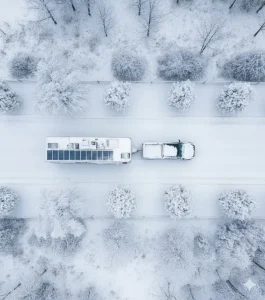
| Snowy areas | Hard to clean roof snow | Move to vertical or indoor setup |
| Storms / Typhoons | Risk of roof detachment | Fold and store safely |
| Shaded roofs | Permanent efficiency loss | Reposition anytime |
| Rental properties | No installation allowed | Plug-in, no damage |
| High latitude winters | Poor fixed angle | Adjustable tilt for winter sun |
Portable solar offers unmatched adaptability and safety across all climates.
FAQ: Common Off-Grid Questions
Q1: Can portable panels power a whole house?
Yes, with a design that can grow. You can connect as many 200W or 400W panels with batteries as you need to meet your needs.
Q2. Do portable solar panels last a long time?
Sungold’s ETFE-coated panels are great for roofs, RVs, and balconies because they can handle UV rays, salt spray, and physical damage.
Q3: What happens if I move?
Just fold it up, pack it, and put it back together. Portable systems can go with you, making solar energy a movable asset.
Q4. Do they need to be taken care of?
Very little. You don’t need to go up on the roof to clean dust and check connectors every so often.
Final Thoughts: Start Small, Scale Smart
You don’t have to go all-in on off-grid solar.
Sungold lets you choose your own pace, whether you live in a rented apartment, travel in an RV, or just want backup power during blackouts.
You can get started for less than $500, power your basic needs, and add more when you’re ready. There’s no commitment, no waste, and no need for a professional installation.