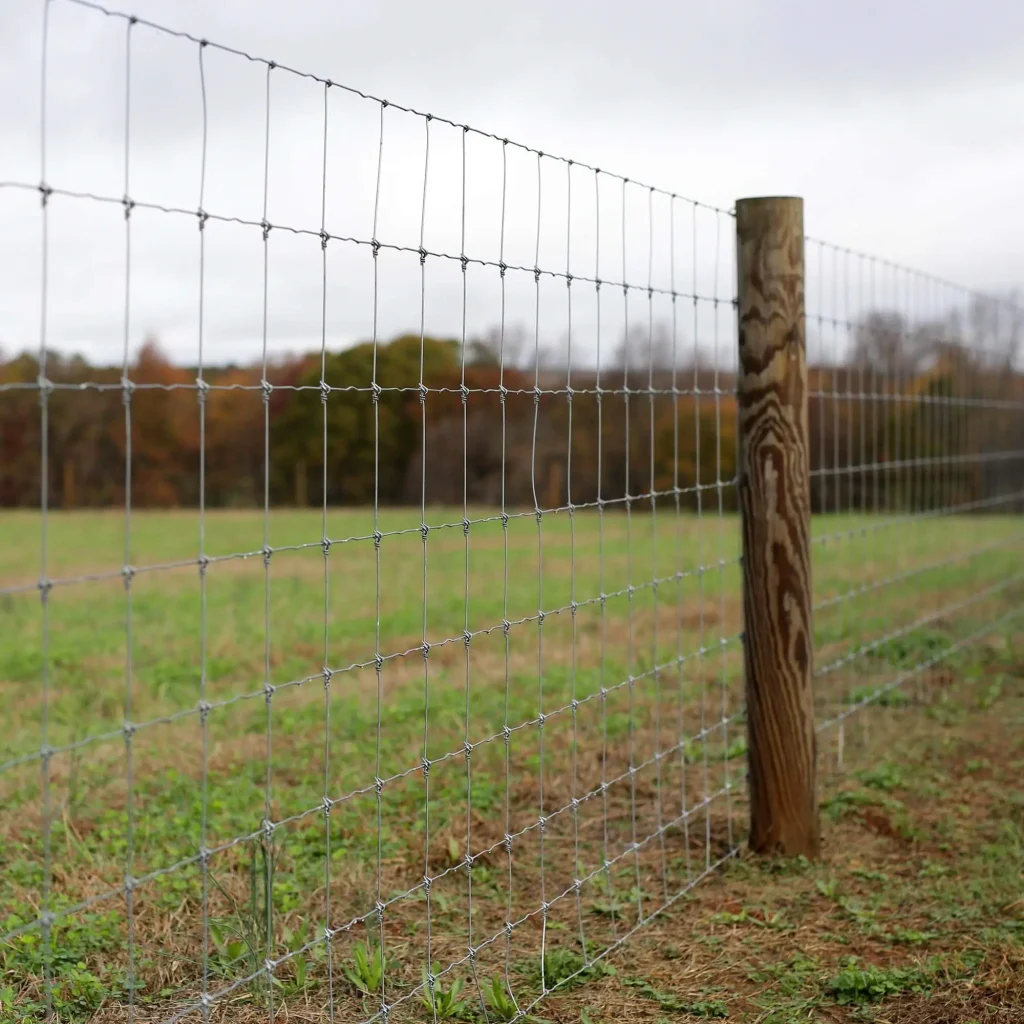
For decades, fencing meant one thing: wire, posts, and manual labor.
If you wanted to control livestock, protect land, or secure remote assets, you built a physical barrier and sent people to check it. That logic worked when land was smaller, labor was cheaper, and management decisions moved slowly.
Today, those conditions no longer exist.
Land operations are larger. Labor is harder to find. And decisions—where animals graze, which areas must be protected, how assets are secured—need to change in days or even hours, not seasons.
This is where virtual fencing begins to make sense.
Not as a replacement for wire in every case, but as a different way of thinking about boundaries altogether.
Why Traditional Fencing Is Becoming a Bottleneck
Most operators already know physical fencing is expensive. What’s less discussed is why it keeps getting harder to justify.
Cost Is Only the First Problem
Installing one mile of standard fencing can easily exceed $10,000. In remote or uneven terrain, that number is often just the starting point.
But the real issue isn’t the initial spend.
It’s that fencing never stops costing money—repairs, inspections, weather damage, animal pressure, theft.
Over time, fences behave less like assets and more like liabilities.
Fixed Boundaries Don’t Match How Land Actually Works
Grass doesn’t grow evenly. Weather doesn’t cooperate. Livestock behavior changes daily.
Yet physical fences lock land into rigid shapes. Once installed, moving a boundary is slow, disruptive, and costly. That makes modern practices like rotational or strip grazing far harder to implement at scale.
Many producers know what they should do to improve land health—but the infrastructure won’t let them.
Human Monitoring No Longer Scales
Fence inspection still depends on people driving, walking, or riding long distances. In regions facing labor shortages or aging rural populations, this model is quietly breaking down.
When something fails, you often find out late.
Sometimes too late.
What Solar Virtual Fencing Actually Is (and What It Isn’t)
Virtual fencing doesn’t mean “no control.”
It means control without physical barriers.
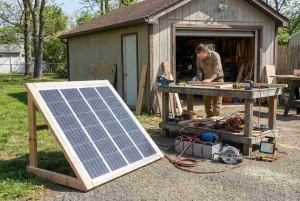
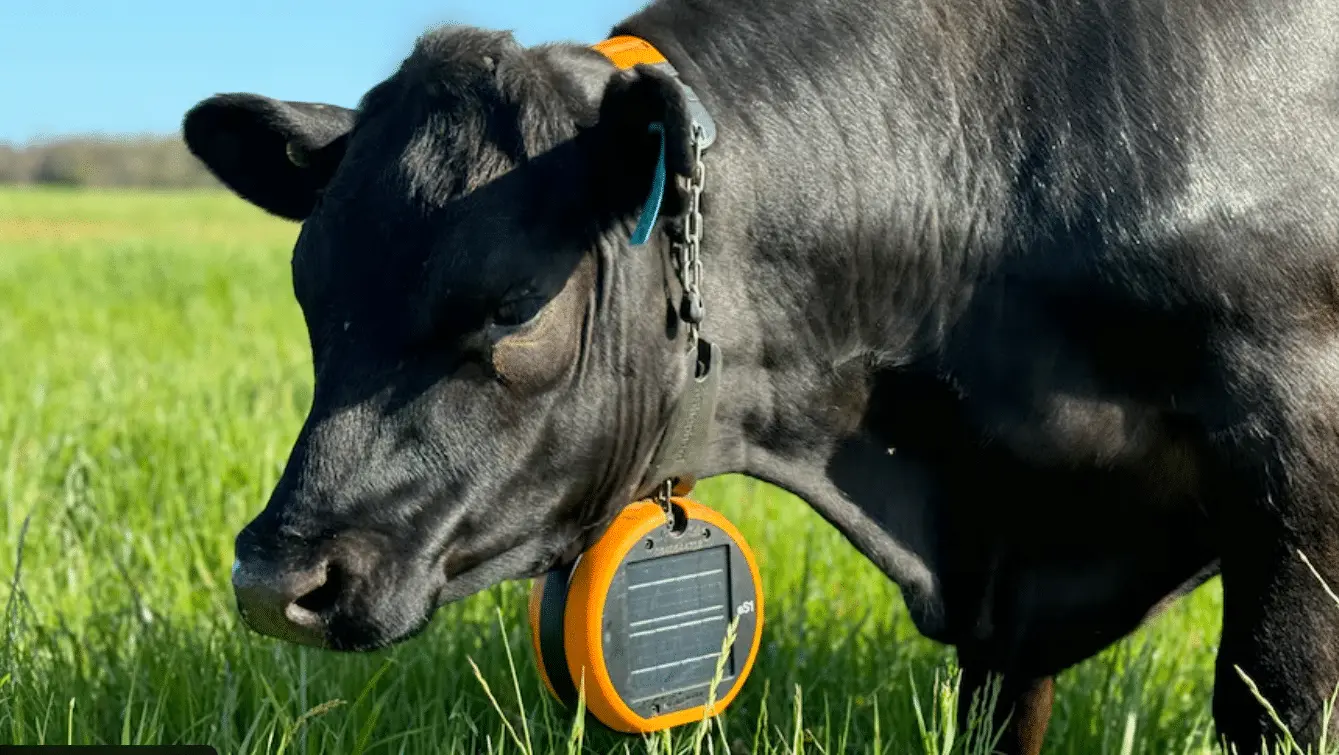
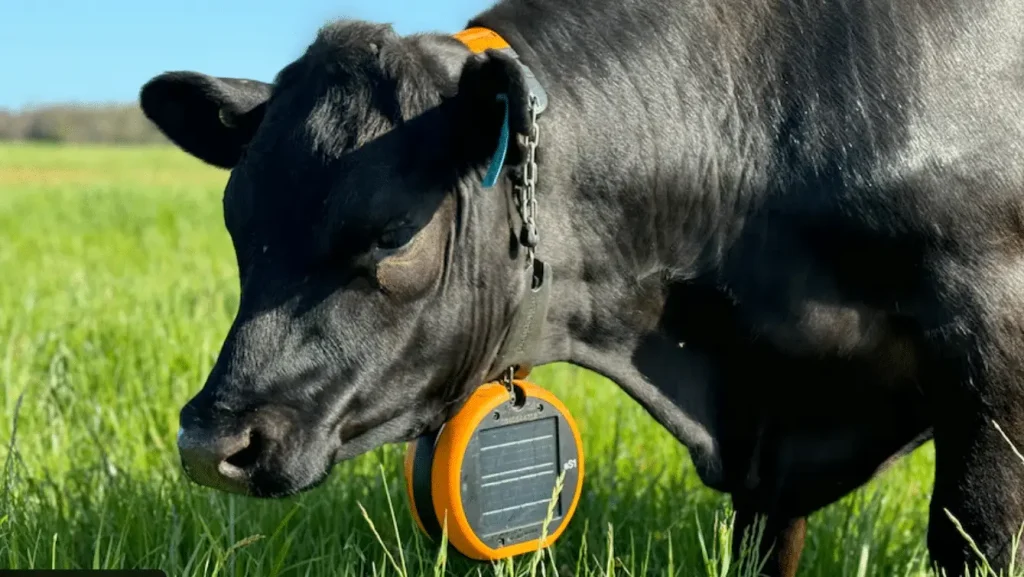
In livestock operations, that control comes from GPS-enabled collars powered by small solar panels. In industrial or energy environments, it may come from solar-powered ground sensors, positioning tags, or perimeter detection systems.
The boundary itself exists digitally.
You draw it in software.
You move it when conditions change.
You remove it when it’s no longer needed.
What matters is not invisibility—but flexibility.
The Technology That Makes It Practical
Virtual fencing only works if it can survive real conditions: heat, dust, rain, distance, and time.
Energy: Why Solar Matters
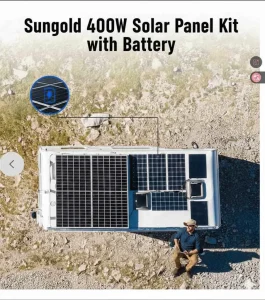
Most virtual fencing systems operate far from reliable grid power. Solar isn’t a “green feature” here—it’s a practical requirement.
Modern systems are designed so that a few hours of daylight can support a full day of GPS tracking and communication. Base stations typically include battery reserves large enough to ride through extended bad weather.
The goal isn’t perfection.
It’s continuity.
Connectivity: One Size Doesn’t Fit All
Different environments demand different networks.
Large, remote ranches often rely on low-power private networks like LoRaWAN. Regions with decent infrastructure may use cellular IoT. Extremely isolated sites increasingly combine local networks with satellite backhaul.
The best systems don’t depend on a single link. They assume something will fail—and plan for it.
Behavior, Not Force
This is where many misunderstand virtual fencing.
Animals are not physically blocked. They are guided.
An audio signal warns the animal as it approaches a boundary. Only if it continues does the system apply a mild electrical pulse. Over time, animals learn to respond to the sound alone.
Most adapt within days.
After that, interventions drop dramatically. The system becomes quieter, not harsher. That matters—for welfare, for energy use, and for long-term reliability.
Livestock Management: Where the Impact Is Most Visible
Grazing That Follows Reality, Not Infrastructure
With virtual fencing, grazing boundaries can change as often as needed. Daily. Even hourly.
This allows operators to match grazing pressure to grass growth instead of forcing land to fit fixed paddocks. Results are consistent across studies: better pasture utilization, healthier regrowth, and more predictable outcomes.
You’re not pushing animals harder.
You’re using the land smarter.
Health Signals Before Problems Escalate
Movement data reveals patterns people can’t easily see—early lameness, changes in feeding behavior, or unusual inactivity.
When combined with flexible grazing zones, this allows managers to respond earlier and with less disruption. The value isn’t just higher output. It’s fewer surprises.
Protecting Sensitive Areas Without Extra Work
Virtual exclusion zones make it easy to protect waterways, recovering land, or environmentally sensitive areas—without installing temporary fencing that’s expensive and often forgotten once conditions change.
A Less Obvious Use Case: Solar and Industrial Assets
This is where virtual fencing is quietly expanding.
Solar Farm Security
Remote solar sites face real risks—copper theft, vandalism, unauthorized access.
Solar-powered ground sensors can detect intrusion the moment someone crosses a digital perimeter, often before physical damage occurs. Because the system is hidden and self-powered, it’s difficult to tamper with and expensive to defeat.
It’s not about replacing guards everywhere.
It’s about knowing early.
Agrivoltaics and Solar Grazing
Letting sheep manage vegetation under panels is efficient—but only if animals stay where they should.
Virtual fencing allows precise grazing paths and clear no-go zones around sensitive equipment. For operators, that means lower maintenance costs. For farmers, it’s an additional income stream that fits naturally into existing systems.
Safety Zones on Active Sites
On construction or maintenance sites, virtual safety boundaries can warn workers or equipment operators the moment they approach high-risk areas.
No fence to move.
No tape to reset.
Just a boundary that exists when—and where—it’s needed.
The Business Case: What Actually Changes on the Balance Sheet
For a mid-sized livestock operation, physical fencing can require hundreds of thousands of dollars upfront.
Virtual fencing shifts that model.
Instead of heavy capital expenditure, many systems operate on subscription models with low initial cost. Savings typically come from reduced labor, improved productivity, and the near-elimination of fence maintenance.
Most operators who adopt at scale see positive cash flow within two years. Often sooner.
The numbers matter—but so does predictability. Virtual fencing turns a volatile cost structure into a more manageable one.
Where the Industry Still Needs to Improve
Virtual fencing is not finished technology.
Cybersecurity standards are still evolving. Insurance frameworks haven’t fully adapted. Systems remain fragmented, with limited interoperability between vendors. And performance in extreme climates continues to require long-term validation.
None of these are reasons to dismiss the technology.
They are signs that it has moved beyond experimentation and into real-world deployment
Final Thoughts: Boundaries as a Management Tool, Not a Barrier
olar virtual fencing is often described as “fencing without posts.”
In reality, it is something more fundamental than that.
It changes how boundaries function.
Instead of locking land, animals, or infrastructure into fixed shapes, it allows boundaries to respond to conditions—grass growth, weather, safety requirements, operational priorities. In other words, boundaries stop being static objects and become management tools.
For livestock operators, this means grazing decisions are driven by land health rather than fence lines.
For solar and energy assets, it means protection without visibility, power without dependency, and security without constant human presence.
The real value is not fewer materials in the ground.
It is fewer constraints on decision-making.
As virtual fencing continues to mature, the question for operators is no longer whether the technology works, but where it fits into their broader land or asset strategy.
That is where the conversation usually begins.