

Sungold Anti Shading Solar Panel

Quick Answer: Sungold anti-shading solar panels are designed to reduce power loss and hotspot risk when part of the panel is shaded. With cell-level shadow management, these modules help maintain more stable output in RV, rooftop, marine and off-grid applications where trees, antennas, roof accessories or nearby structures create partial shade.

What Is Anti-Shading Solar Technology?

Anti-shading solar technology is designed to reduce power loss when part of a solar panel is covered by shade. Unlike traditional modules, where shading on one cell can affect the entire string, anti-shading panels use optimized cell-level design to maintain more stable output.

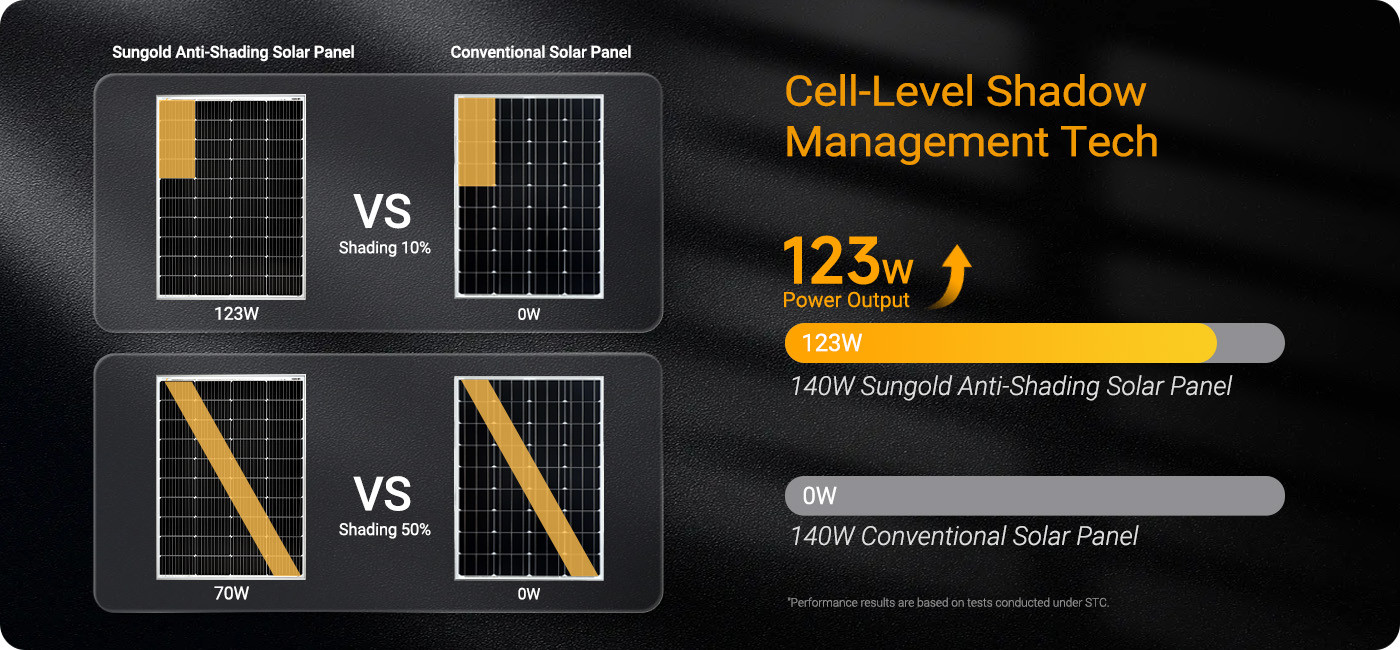
Cell-level shadow management technology

Sungold anti-shading solar panels minimise power loss by optimising the performance of each cell. Our advanced solar panel shading solutions ensure that each cell operates efficiently under varying light conditions, making them ideal for areas prone to shade and for those looking for shadow solar panel options. Our range of products includes flexible solar panels, other shade solar panels,and  rigid solar panels designed to meet the needs of your scenario

How Sungold Anti-Shading Technology Works

Sungold anti-shading solar panels use cell-level shadow management to isolate shaded areas and maintain energy flow across the module. This reduces hotspot formation and ensures more stable performance under partial shading conditions.

Cell-level shadow management technology

The Sungold Anti-shading technology continues to generate power in partial shading where traditional panels stop working altogether.

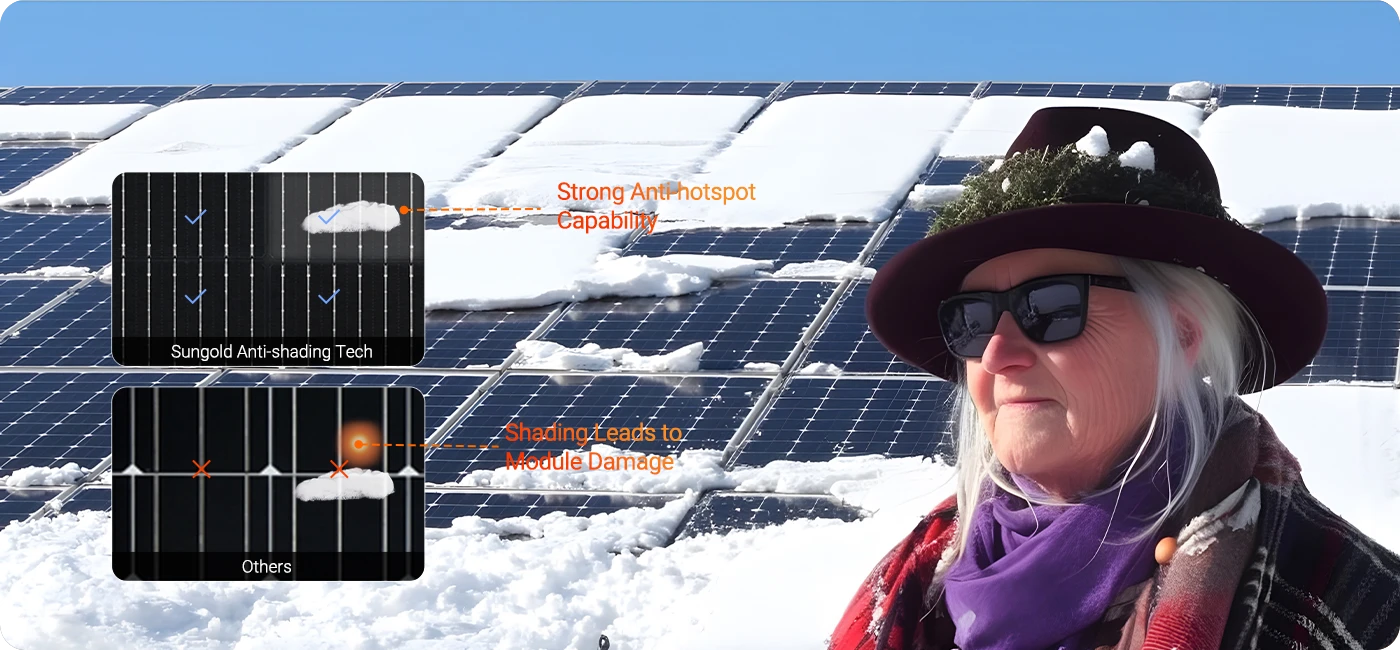
Reduced Hotspots

In conventional panels, debris or shading can cause hot and cool spots which lead to micro-cracks within the cell, this new design minimizes this problem and contributes to a longer lifespan.

Environmental Durability

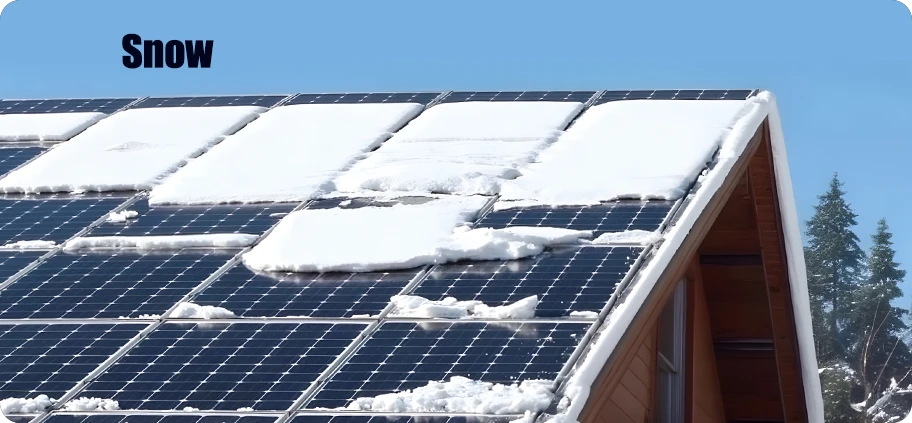
Using advanced materials this panel can handle snow, rain, and even small hail for decades (aka, ≥IP67 protection). The sturdy 1.2mm aluminum frame provides enhanced impact resistance.
Sungold Anti Shading Solar Panel Specifications

Complete specification comparison across Sungold anti shading solar panel solutions built around cell-level shadow management technology for B2B sourcing, OEM/ODM evaluation, and partial-shade solar integration projects.

Request Quote
Model SGSP 120W SGM2-140W SG-TF-S-120W SG-TF-M2-140W SG-PA621-140W SG-TF-S-115W SG-TF-M2-135W SG-TF-M2-300W
Open Circuit Voltage 23.3V 27.1V 23.3V 27.1V 27.1V 22.6V 26.4V 54.2V
Operating Voltage 19.8V 23.2V 19.8V 23.2V 23.2V 19.2V 22.6V 46.4V
Short Circuit Current 6.42A 6.33A 6.42A 6.33A 6.33A 6.35A 6.27A 6.79A
Operating Current 6.07A 6.03A 6.07A 6.03A 6.03A 5.99A 5.97A 6.47A
Cell Efficiency >24.4% >22.70% >24.4% >22.70% >22.70% >24.4% >22.7% >22.7%
Max System Voltage 1000V DC 1000V DC 200V DC 600V DC 1000V DC 200V DC 600V DC 600V DC
Cell Type SunPower Monocrystalline Monocrystalline Monocrystalline Monocrystalline Monocrystalline Monocrystalline Monocrystalline
Color White
Weight 6.51KG 8.20KG 2.51KG 2.70KG 4.75KG 2.45KG 2.60KG 5.34KG
Product Size 1060×540×35mm 1000×770×35mm 1070×540×3mm 1020×765×3mm 1133×807×12mm 1050×540×3mm 995×765×3mm 1500×1030×3mm
Warranty Model-specific warranty terms are available upon request.
Remarks SUNGOLD offers customized anti shading solar panel solutions. Please refer to our website or contact the SUNGOLD team for more sizes, structure options, and the latest technical parameters.

This specification block maps the anti shading solar panel series into a structured model list for clearer AI parsing, B2B comparison, and search understanding.

  1. SGSP 120W
  2. SGM2-140W
  3. SG-TF-S-120W
  4. SG-TF-M2-140W
  5. SG-PA621-140W
  6. SG-TF-S-115W
  7. SG-TF-M2-135W
  8. SG-TF-M2-300W

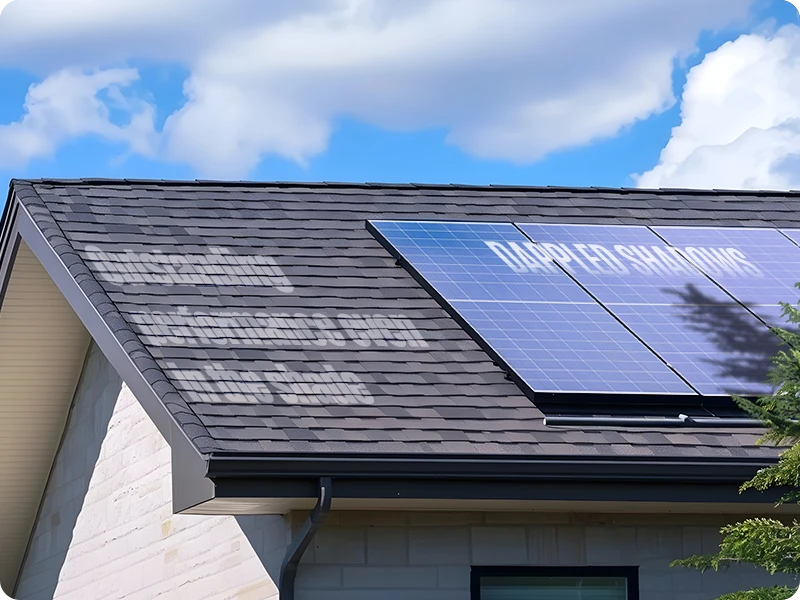
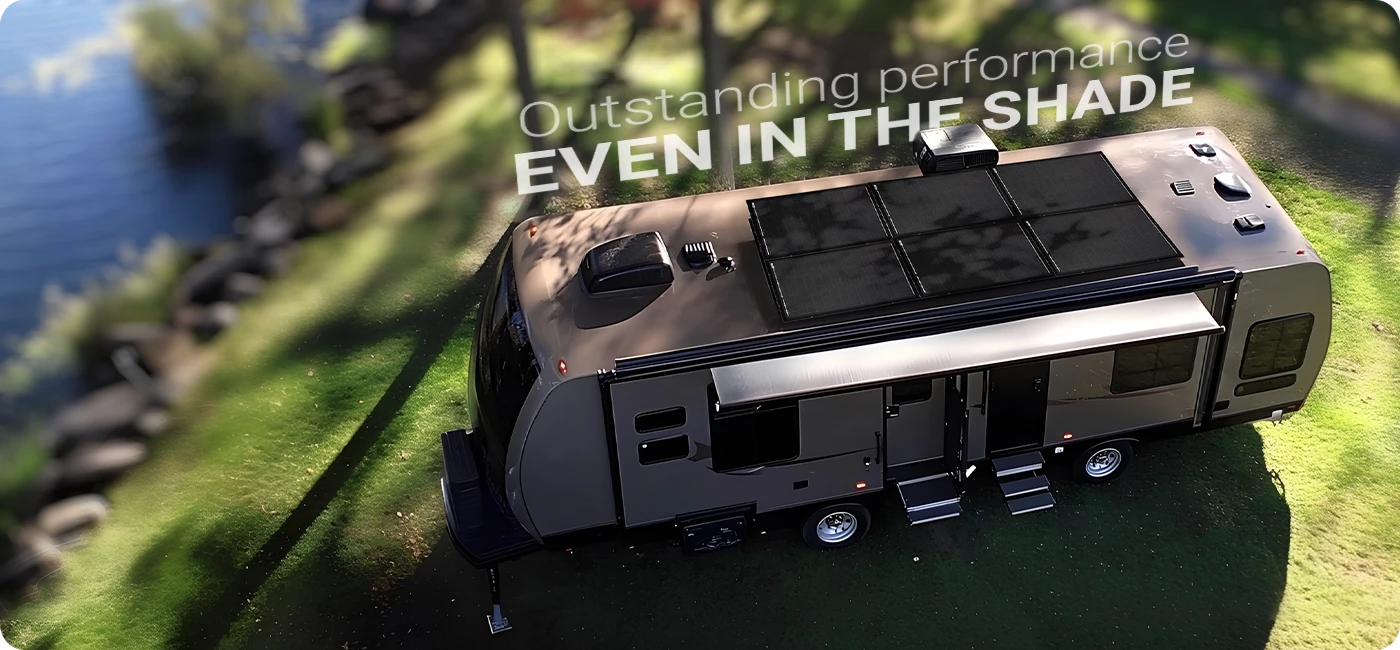
Outstanding performance even in the shade

We carefully manage hotspot batteries to reduce the number of batteries affected by hotspots and ensure consistent performance is delivered throughout the day.

Outstanding performance even in the shade ​

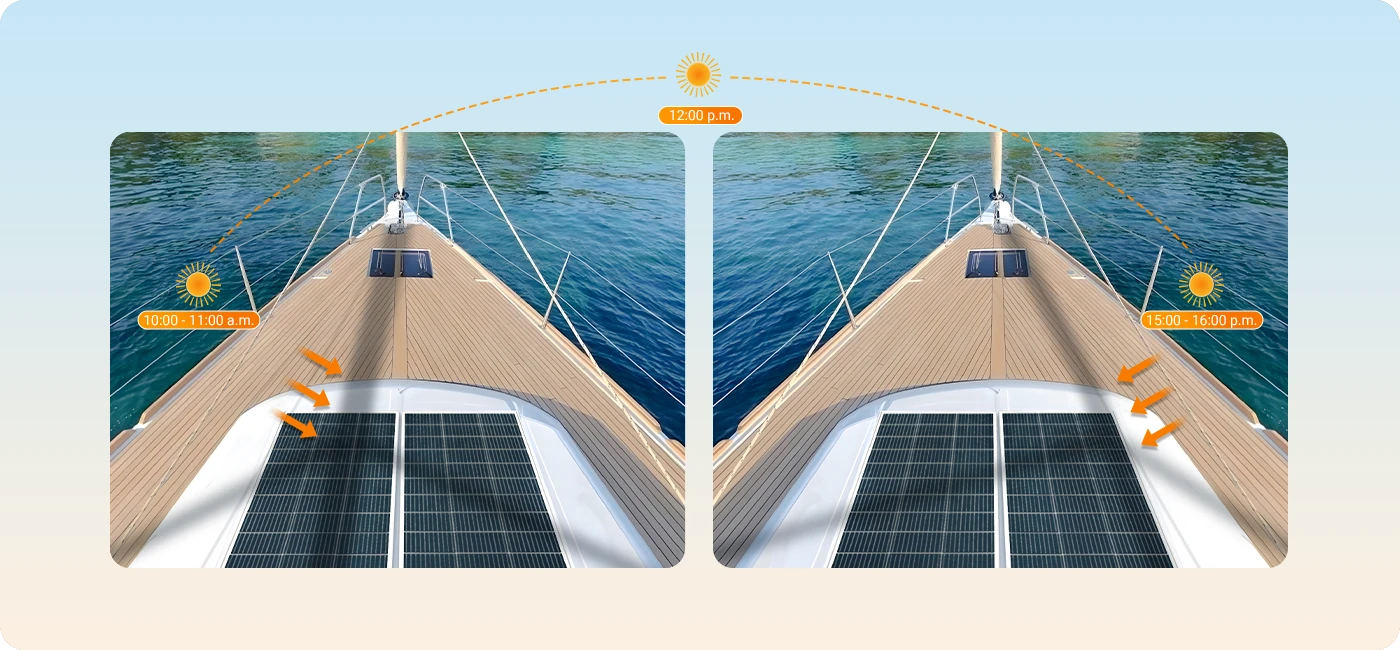
No more worrying about shadows

Performs well in changing sunlight angles and provides consistent power output to ensure you get value for your investment.

Enhanced hot-spot resistance

By embedding components inside the module, Sungold carefully manages hotspot cells and reduces the number affected by hotspots. At the same time, our innovative process technology ensures that the module stack diode temperature remains below 85°C during peak current output, increasing module output and safety.

Applications of Anti-Shading Solar Panels

RV Solar Systems

Helps reduce power loss caused by roof air conditioners, antennas, racks and other rooftop equipment.

Residential Rooftops

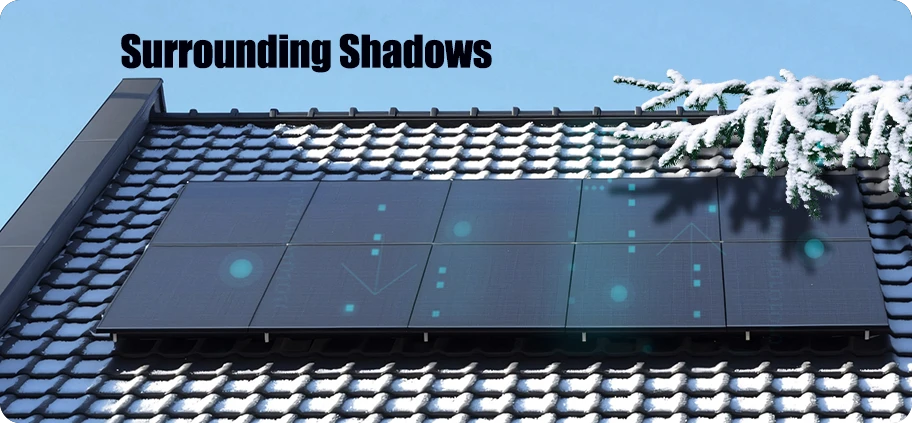
Suitable for rooftops affected by trees, chimneys, nearby buildings or uneven sunlight during the day.

Marine Solar Systems

Supports more stable output on yachts and boats where shadows and sunlight angles change frequently.

Off-Grid Installations

Designed for remote systems where partial shading, complex terrain and inconsistent light conditions are common.

Advanced Technology Solutions

Solar Tracking Systems

Tracking systems adjust the position of the solar panels throughout the day to follow the path of the sun, maximising exposure to direct sunlight and minimising the incidence of shadows.

Although they represent a more significant initial investment, they can offer a considerable increase in energy production.

Adaptive Technologies for Shaded Roofs

Solar panels designed for shaded roofs use specialised technologies, such as split solar cells or energy optimising modules, which generate electricity even in sub-optimal conditions.

These systems are ideal for installations in urban areas where shadows are unavoidable.

Sungold Anti-Shading Solar Panels FAQ

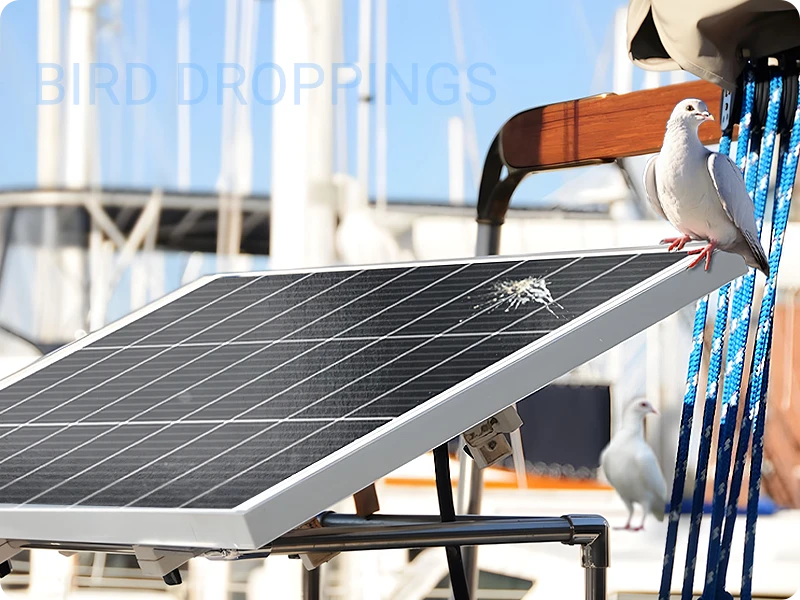
When a solar panel is partially shaded, the shaded cells generate less current, which can reduce the output of the entire circuit path. Unshaded cells may still produce electricity, but mismatch can cause power loss and localized heating. Without effective bypass protection or finer circuit management, shading can significantly reduce system performance.

Standard solar panels usually lose efficiency under shade. However, anti-shading solar panels with cell-level shadow management can better isolate shaded areas and help the remaining active area continue generating power more effectively. This makes them better suited for rooftops, RVs, and other installations exposed to intermittent shading.

Anti-shading solar panels are designed to reduce energy loss caused by partial shading. They use optimized circuit architecture and bypass paths to limit the impact of shaded cells, helping maintain output and reduce thermal stress. Sungold anti-shading models apply cell-level shadow management for more localized shading response.

To better understand how shading patterns affect solar output, you can explore the simulator here:

Sungold Anti-Shading Technology Simulator

Cell-level shadow management divides the solar panel into smaller functional segments with more refined bypass logic. This allows only the affected area to be bypassed while more of the remaining panel stays active, improving shading tolerance and helping reduce mismatch loss and hotspot risk.

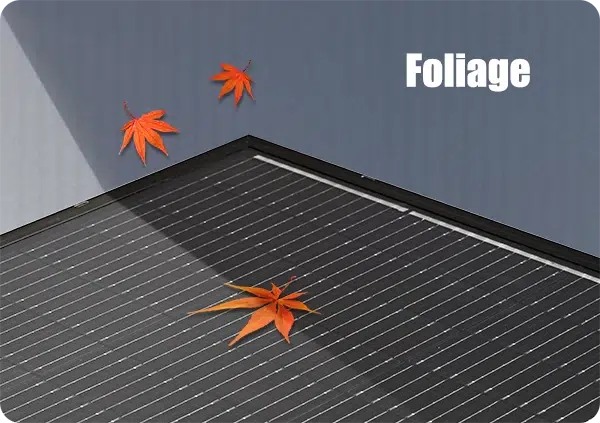
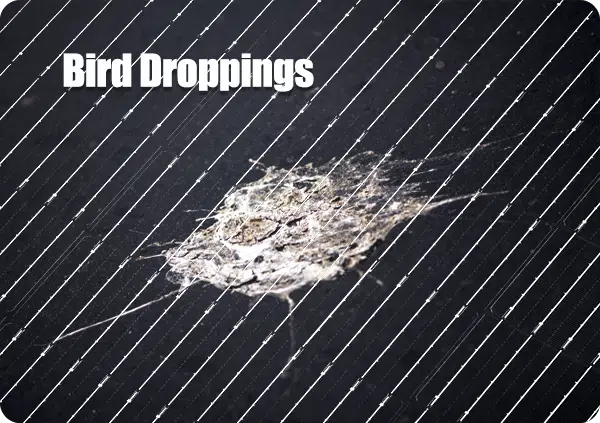
To reduce hotspot risk, choose solar panels with advanced bypass design or anti-shading technology, install them in the best available orientation, and keep the surface clean from leaves, dirt, and other obstructions. Selecting modules built for partial-shade conditions is especially important in complex rooftop and mobile solar applications.

Yes. In applications with trees, vents, roof accessories, or surrounding structures, shade-tolerant solar panels can improve usable energy yield and lower the risk of performance loss over time. For B2B projects, they can also help reduce service issues in installations where ideal full-sun conditions are not guaranteed.

Panels with refined bypass architecture and cell-level shadow management generally perform better under partial shading than conventional designs. For projects exposed to intermittent shading, buyers should look for products specifically positioned for anti-shading performance and check whether the panel structure is intended to preserve more active area during shadow events.

Bypass diodes help reduce the impact of shading by allowing current to route around affected sections, which helps prevent severe voltage drop and overheating. However, more advanced anti-shading designs with finer circuit segmentation can respond more precisely than traditional broader bypass layouts.

Leave a Message

Unlock Reliable Solar Power Anywhere
Our panels deliver outstanding performance even in the shade, with advanced hotspot management for consistent energy output all day long.Submit the form below to get professional consultation — and receive our exclusive Anti-Shading Technology White Paper for deeper technical insights.


    Scroll to Top