


 EN
EN
 Deutsch
 Italiano
 Español
 Français
 日本語
日本語
—Commercial Vehicle Solar
Solar Power Built for Vehicles That Work.
Lightweight, low-profile solar modules for trucks, trailers, refrigerated transport and mobile fleets — engineered to support auxiliary batteries and onboard loads while vehicles are moving or parked.
4.4 kg/m²
PA621 lightweight reference
10–60 Hz
Vibration resistance reference
10-Year
PA621 product warranty
OEM / ODM
Size · wiring · connector
Built Around Real Fleet Challenges
Turn Available Roof Space Into Useful Daily Energy
Commercial vehicles carry electrical loads long after the engine stops. A vehicle-specific solar design can provide supplemental charging without adding a bulky conventional rooftop system.
Battery Drain & Downtime
Auxiliary loads, standby electronics and frequent stop-and-go operation can leave batteries undercharged.
Power Beyond Engine Hours
Refrigeration controls, liftgates, lighting and telematics still need dependable power when parked.
Vibration, Heat & Motion
Vehicle roofs face continuous movement, thermal cycling and demanding road environme
Limited Roof Geometry
Roof vents, refrigeration units, curvature and cable exits require application-specific panel sizing.
Fleet Operating Value
Use Solar to Reduce Battery Risk, Idle Dependence and Service Interruptions
For fleets, vehicle solar is not only a panel purchase. It is a way to keep auxiliary batteries healthier, reduce avoidable engine idling and protect equipment that still draws power while the vehicle is parked.
Savings depend on vehicle type, battery condition, duty cycle, weather, shading, fuel cost and load profile. Use project data for any ROI claim before publishing exact numbers.
Battery
Lower Deep-Discharge Risk
Supplemental charging can help reduce undercharged auxiliary batteries in liftgate, telematics and standby systems.
Idle
Less Dependence on Engine Hours
Solar can support selected low-to-medium DC loads when parked, reducing the need to run the engine only for battery support.
Cold Chain
Support Refrigerated Transport Loads
For reefer and TRU projects, solar can help maintain control batteries during yard storage and route downtime.
Fleet
Better Planning Before Rollout
A pilot can compare battery events, route profile, solar yield and service records before fleet-wide procurement.
Commercial Vehicle Applications
One Solar Platform.Multiple Vehicle Power Needs.
Match module format, roof space and electrical configuration to the vehicle — from long-haul tractor-trailers to local delivery and service fleets.
Trucks & Tractor-Trailers
Supplemental charging for auxiliary batteries, sleeper loads, telematics and other onboard systems across long-haul operations.
Reefer & Refrigerated Trailers
Support refrigeration batteries, controllers and standby electrical loads.
Service & Utility Vehicles
Use available roof area to support tools, electronics and auxiliary batteries.
Delivery & Box Trucks
Continuous solar input for daily stop-and-go fleet operation.
Specialty Vehicle Platforms
Custom dimensions, electrical layout and connection details for unique vehicle projects.
Liftgate Charging
Help keep liftgate battery systems supported between delivery stops.
Telematics & Tracking
Support compact GPS, monitoring, sensors, cameras and connected fleet electronics.
Lighting & Auxiliary Loads
Supplement battery charging for cargo lighting and vehicle accessories.
Hotel Loads & Idle Reduction
Support selected sleeper, HVAC control and low-power auxiliary loads after project sizing.
Match the Solar Format to the Load, Voltage and Vehicle Roof
This table turns the current page's application ideas into a buyer-friendly selection path. Final wattage, controller and mounting details should be confirmed against the real vehicle platform.
| Application | Typical Buyer Need | Solar Design Direction | Project Data to Confirm |
|---|---|---|---|
|
Compact
Trailer GPS & Telematics
|
Maintain trackers, sensors or monitoring devices without frequent battery service. | Small custom panel, thin profile, housing or roof-mounted cable exit. | Device load, standby current, housing size, connector, cable length and sealing method. |
|
Delivery
Liftgate Battery Support
|
Reduce route interruptions caused by undercharged liftgate batteries. | Vehicle-roof module paired with MPPT controller and 12V/24V battery review. | Battery voltage, daily stops, liftgate cycles, controller location and wiring protection. |
|
Cold Chain
TRU / Reefer Maintenance
|
Support refrigeration controls and batteries during yard storage or standby periods. | Weather-resistant module layout around TRU housing, vents and cable routes. | TRU model, roof space, temperature requirement, junction box rating and certification scope. |
|
Long Haul
Hotel Loads & Idle Reduction
|
Reduce dependence on engine runtime for selected sleeper and auxiliary loads. | Larger roof-area array with load audit and battery/controller matching. | Load list, parking hours, available roof area, shading and required daily energy target. |
|
OEM
Specialty Vehicle Platforms
|
Integrate a panel into a defined body, roof, device or fleet product design. | Custom dimensions, laminate structure, cable, connector, label and packaging plan. | Drawings, MOQ, sample target, certification needs, branding and delivery timeline. |
Project Workflow
From roof constraints to a manufacturable solar module configuration.
01 / Collect
Solar Module
Vehicle roof converts available sunlight into DC power.
→
02 / Manage
MPPT Controller
Regulates charging for the selected battery system.
→
03 / Store
Auxiliary Battery
Stores solar input and supports power availability.
→
04 / Use
Vehicle Loads
Liftgate, telematics, lighting, refrigeration controls and other auxiliaries.
While Driving
Solar works alongside the vehicle charging system to provide additional battery input.
While Parked
Solar continues to support the auxiliary battery when sunlight is available, without requiring engine operation for the solar input itself.

Road-Ready Engineering
Lightweight Structure. Stable Power. Flexible Integration.
For moving platforms, panel selection is about more than wattage. Weight, heat, vibration, shading and mounting geometry all affect long-term system design.
Vibration-Resistant Platform
PA621 reference testing covers 10–60 Hz vibration resistance for mobile applications.
Thermal Management
Low-conductivity backing helps reduce heat transfer toward the mounting surface.
Lower Roof Load
Lightweight panel platforms reduce added mass compared with conventional framed glass modules.
Shading-Aware Layout
Panel and electrical layout can be selected for real roofs where vents, antennas and equipment create partial shade.
Recommended Module Platforms
Choose the Panel Around the Vehicle — Not the Other Way Around
Sungold can match lightweight, flexible and OEM module platforms to roof shape, available area, voltage and integration requirements. Final model selection should follow project assessment.
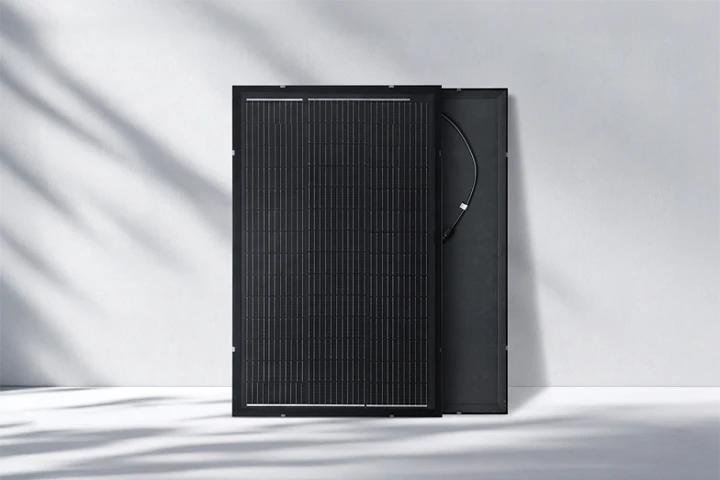
PA621
Lightweight Solar Panel
For projects prioritizing low weight, structural stability, heat management and vibration resistance on moving platforms.
- Approx. 4.4 kg/m² reference weight
- 10–60 Hz vibration resistance reference
- OEM dimensions and configurations available
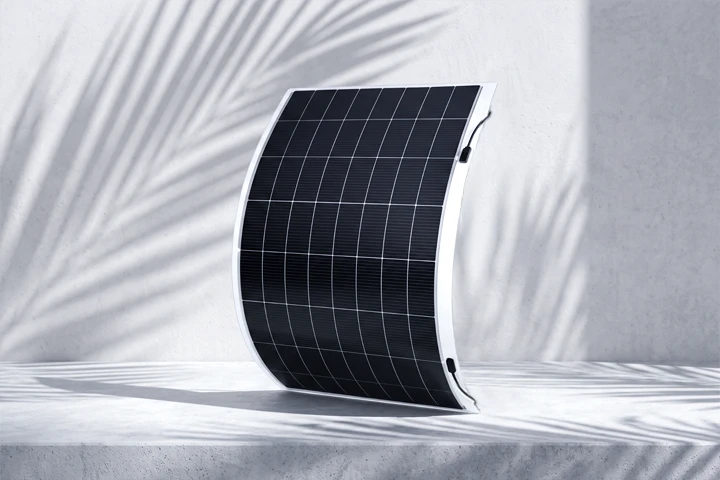
PA219
Flexible Solar Panel
For low-load or curved surfaces where a thin, frameless module can fit spaces that conventional rigid panels cannot.
- 3 mm thin selected models
- Approx. 3.3 kg/m² selected models
- Custom cable, connector and size options
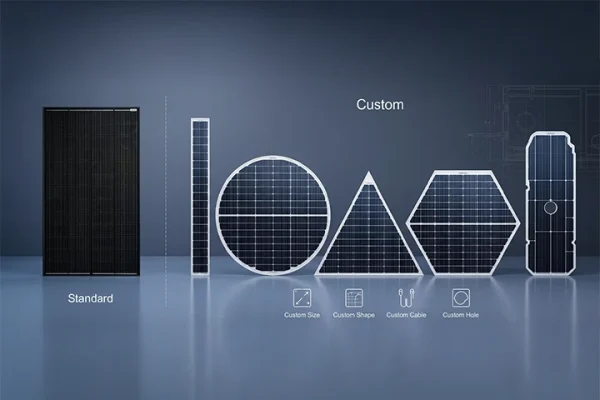
Custom OEM / ODM
Vehicle-Specific Integration
Start from the vehicle drawing and power requirement, then define the module format and connection details around the real installation.
- Panel dimensions & power range
- Voltage, cable length & connector
- Junction box, mounting & branding review
- Compact telematics and specialty formats
Documentation & Certification Review
Prepare the Proof Package Before Fleet or OEM Approval
Fleet buyers and vehicle OEMs usually need more than a product image. They need drawings, electrical matching notes, certification scope and installation guidance that fit the selected module and project market.
Certification and test claims must be tied to the exact Sungold model, bill of materials and certificate scope. Do not present a project requirement as already certified until the documentation is checked.
Electrical Matching
Voltage, controller type, battery chemistry, cable route, fuse protection and connector choice.
Mechanical Drawings
Roof area, curvature, mounting surface, panel dimensions, junction box position and cable exit.
Certification Scope
Model-specific CE, RoHS, IEC, IP rating or other documents should be verified before quotation language is finalized.
Supply Requirements
Sample quantity, MOQ, packaging, branding, lead time and shipment terms should be confirmed case by case.
OEM Project Workflow
From Vehicle Roof Drawing to Production-Ready Solar Module
A practical B2B workflow keeps electrical design, installation space and production requirements aligned before volume supply.
Vehicle Layout
Roof dimensions, obstacles, curvature and available mounting area.
Load & Battery
System voltage, battery type and target auxiliary loads.
Panel Matching
Module platform, wattage, dimensions and electrical layout.
Sample Validation
Fit, wiring, mounting method and project-specific checks.
Bulk Supply
Production, documentation, packaging and repeat-order support.
Prepare Your Project
What We Need to Recommend the Right Vehicle Solar Solution
Send the core project information below. It lets the engineering team evaluate fit, power and integration before a quotation.
Roof Layout
Usable area, dimensions, vents and obstacles
System Voltage
12V / 24V / other vehicle architecture
Target Loads
Liftgate, reefer, telematics, lighting, etc.
Operation Profile
Daily route, parking time and duty cycle
Installation Details
Mounting method, cable exit and routing
Project Requirements
Quantity, certification, branding and timeline
| Buyer Requirement | What to Check | Sungold Support | Confirmation Needed |
|---|---|---|---|
| 12V / 24V Systems | Battery voltage, MPPT controller setting, wiring route and protection method. | Electrical review for vehicle auxiliary power projects. | Final compatibility depends on vehicle architecture and battery chemistry. |
| Compact Panel Size | Tracker housing, roof space, mounting surface and cable exit. | Custom panel sizing for telematics, sensors and low-power fleet electronics. | Wattage, size, cable, connector and sealing method require drawings. |
| TRU / Fleet Roof Use | Vibration, roof equipment, wash exposure, shade and operating temperature. | Vehicle-roof module planning for trailer and refrigerated transport applications. | Temperature range, IP rating and certificate scope must be verified by model. |
| Liftgate Battery Support | Liftgate cycles, parking time, battery capacity and controller location. | Panel and controller matching support for battery maintenance projects. | Charging result depends on sunlight, shade, wiring, battery state and load profile. |
| OEM Custom Projects | Size, material, voltage, connector, label, packing and documentation request. | OEM / ODM engineering support for fleet, device and system brands. | MOQ, sample timing, pricing and lead time are confirmed per project. |
Tell Us What Your Fleet Needs to Power.
Share your roof dimensions, battery system, target loads and project quantity. Sungold can help evaluate the appropriate module format, documentation needs and OEM integration path.