


 EN
EN
 Deutsch
 Italiano
 Español
 Français
 日本語
日本語
— Deployable Solar Solutions
Flexible Solar Built Around the Structure — Not a Standard Rooftop.
Lightweight solar integration for deployable shelters, side-mounted enclosures, temporary field structures and mobile off-grid units where conventional glass modules add too much weight, structure and deployment complexity.
PA219
Primary Platform
3.3 kg/m²
Lightweight Design
3 mm
Low Profile
TF
Rugged Option
OEM / ODM
Custom Integration
Why Flexible
Standard solar wasn’t designed for deployable structures.
Deployable systems are often lightweight, relocatable, temporary or surface-limited. The challenge is not only power generation — it is how to integrate solar without turning the structure into a heavy framed rooftop array.
Too Heavy
Glass-and-frame modules can add unnecessary structural load to shelters, enclosures and temporary structures.
Too Rigid
Rigid modules are difficult to adapt to fabric roofs, curved profiles, vertical surfaces and non-standard structures.
Too Much Structure
Frames, rails and deployment hardware can increase transport volume, assembly time and system complexity.
Roof-Only Thinking
Deployable projects may need sidewall, canopy, shelter and mixed-surface integration rather than one fixed rooftop layout.
The Application Landscape
These are not ordinary roofs. They are deployable operating platforms.
The real opportunity for Sungold is not to duplicate the rigid-module systems shown in many container projects. It is to use lightweight flexible PV directly on the surfaces that deployable structures already provide.
Deployable Canopy & Lightweight Structure
Real-world flexible PV integrated with a tensioned lightweight surface.
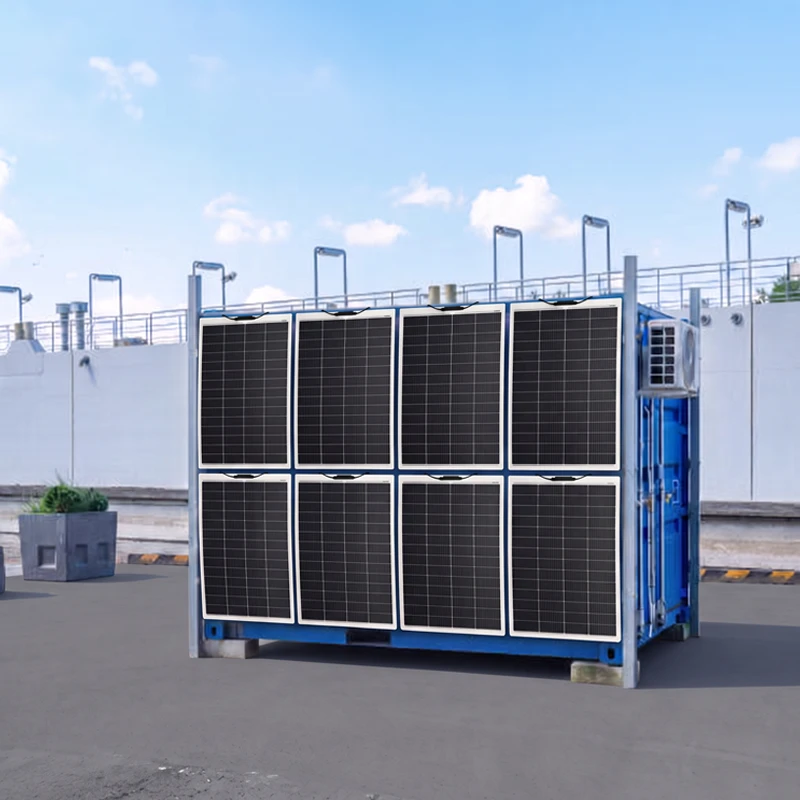
Side-Mounted Enclosure
Use the sidewall geometry — but replace frame-heavy glass modules with a lightweight flexible solution.
Field-Ready Shelter
Deployable structure, integrated solar and portable power architecture.
Container + Extension Structure
The container can act as the deployment core while additional lightweight surfaces carry solar.
Long Lightweight Shelter
Large-area lightweight structures are a natural fit for low-mass flexible modules.
What Sungold Changes
Keep the useful surface. Remove the unnecessary glass-and-frame burden.
For Sungold, the design opportunity is not “put solar on a container.” It is to integrate lightweight flexible modules into sidewalls, roofs, shelter skins and deployable extensions in a way that better matches the structure itself.
Sidewall integration
Use vertical or angled enclosure surfaces where roof area is occupied or limited.
Lower structural burden
Reduce module mass and avoid treating every application like a conventional rooftop array.
More deployable surfaces
Canopies, shelter roofs, enclosure walls and temporary structures become usable generation surfaces.
OEM fit
Panel dimensions, wiring and cable exit can be designed around the actual structure.
Application Scenarios
Built for mobile, temporary and off-grid structures.
V3 focuses on the physical application — not generic container homes or standard rooftop kits.
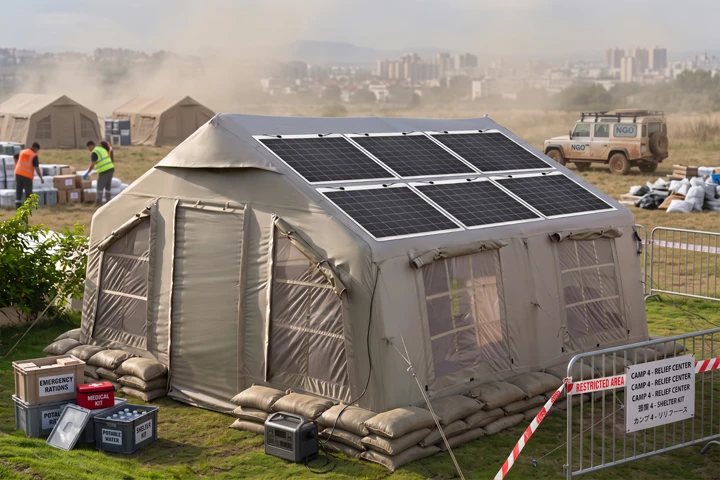
Deployable Shelters & Soft Structures
Flexible solar can follow lightweight shelter surfaces that are fundamentally different from fixed building roofs. This is where module weight and flexibility become part of the structure design.
Side-Mounted Equipment Enclosures
Container walls and equipment housings can become usable PV surfaces. Sungold’s role is to replace the conventional framed concept with a thinner, lighter module approach better suited to the enclosure.
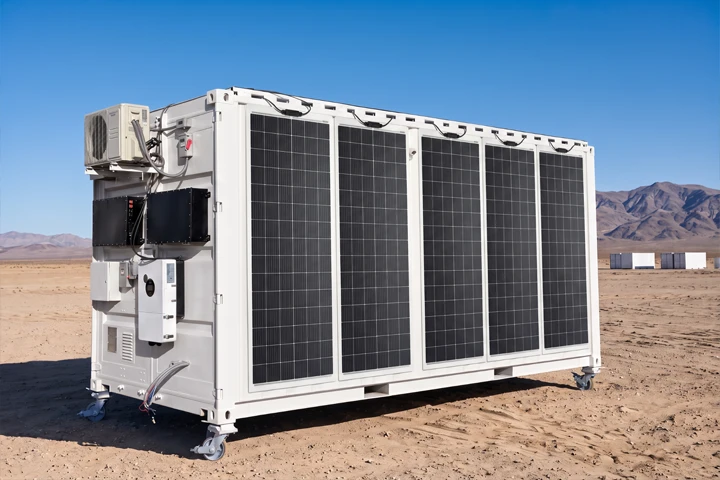
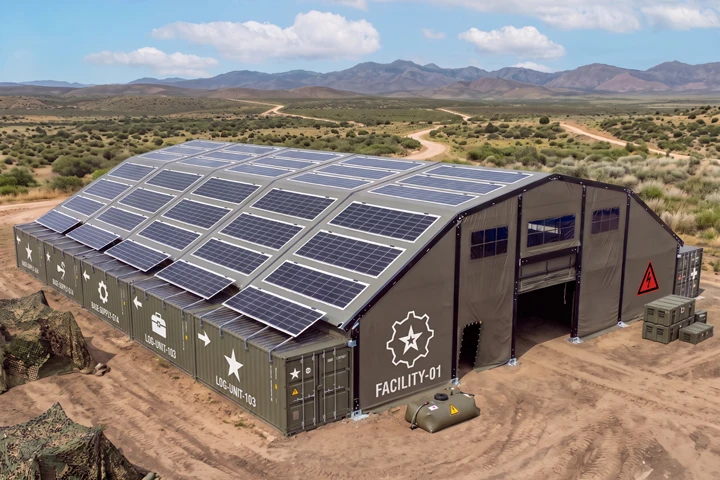
Large Lightweight Field Structures
Where power needs to arrive with the operating unit, flexible PV can support systems designed for quick transport, setup and recovery without a permanent rooftop structure.
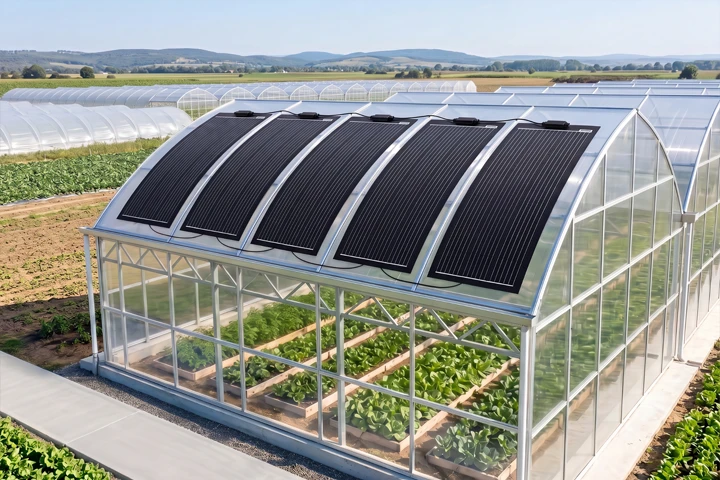
Power for Greenhouses & Grow Tunnels
Greenhouses and lightweight agricultural shelters can provide substantial roof area while offering limited structural reserve — making flexible, low-mass PV a practical fit for these applications.
PA219: PRIMARY PLATFORM
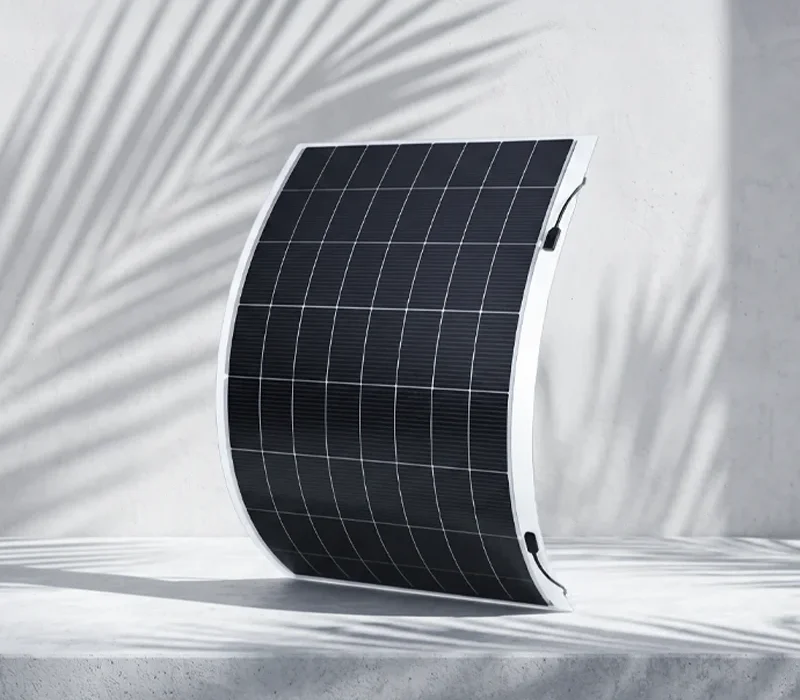
PA219 is the main product path for deployable integration.
For most deployable structures, the priority is to reduce mass, profile and framing while gaining more freedom over where PV can be installed. That is the role PA219 should own on this page.
Approx. 3.3 kg/m²
Low module mass for weight-sensitive structures.
Approx. 3 mm
Thin, frameless profile for compact integration.
Flexible Form Factor
Better fit for non-standard, curved or vertical surfaces.
Flexible Form Factor
Better fit for non-standard, curved or vertical surfaces.
OEM / ODM
Custom dimensions, cable length and connector options.
Project Documentation
Certification and technical review by model / destination market.
TF: Rugged Option
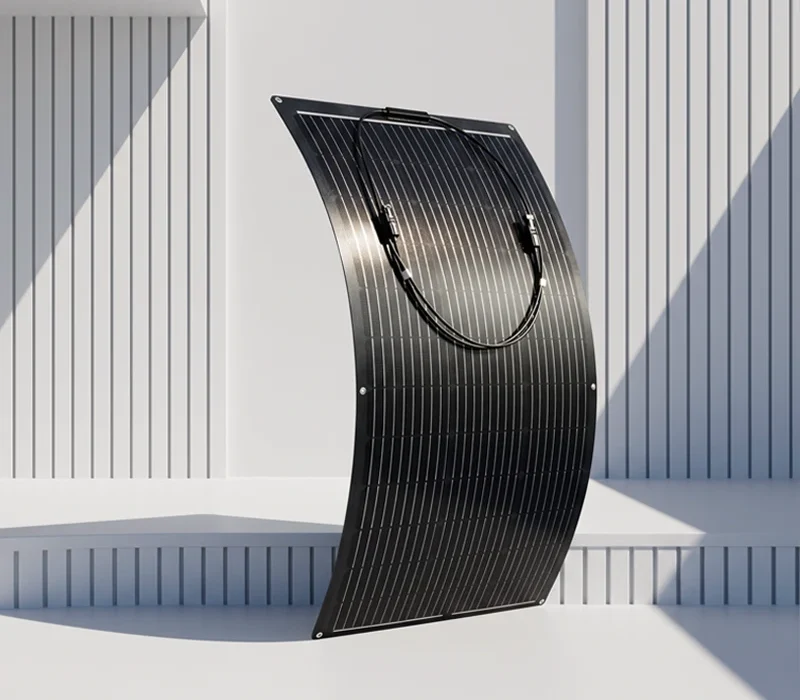
Use TF where the deployable environment is physically tougher.
TF is not the default product for every deployable project. It becomes the better option when repeated contact, maintenance access, harsher outdoor exposure or more demanding field use makes physical durability a larger priority.
More frequent physical contact
Useful around service areas or structures where the module may experience more handling.
Harsher field environments
Strong durability positioning for wet, dusty, coastal or rugged outdoor applications.
Maintenance-sensitive surfaces
Consider TF where occasional access or higher surface abuse is expected.
Customization Process
From structure constraints to a deployable solar configuration.
The workflow is intentionally spec-driven, following the deployable application first and selecting PA219 or TF second.
STEP 01
Application Review
Purpose, mobility and operating environment.
→
STEP 02
Surface Assessment
Sidewall, roof, canopy and usable dimensions.
→
STEP 03
Product Match
PA219 first; TF when ruggedness requires it.
→
STEP 04
Electrical Design
Output, voltage, cable and connector layout.
→
STEP 05
Sample Validation
Fit, interface and practical installation review.
→
STEP 06
Production
Final specification, QA and project manufacturing.
What We Need
Bring us the structure.
We’ll configure the flexible solar around it.
For deployable projects, the most useful RFQ starts with drawings, operating constraints and system requirements — not just wattage and price.
Structure Type
Shelter, enclosure, container, canopy, mobile unit or temporary structure.
Available Surface
Sidewall, roof, canopy, extension structure or mixed surfaces.
Dimensions
Usable surface dimensions, obstacles and keep-out zones.
Mobility
Fixed, relocatable, foldable, temporary or frequently transported.
Environment
Temperature, humidity, dust, coastal exposure and field conditions.
Electrical Load
Daily energy demand, peak power and essential loads.
Battery / Controller
Existing system voltage and required off-grid architecture.
Cable Exit
Preferred cable direction, length, connector and entry location.
Project Stage
Concept, prototype, sample validation, pilot or volume program.
Quantity / Market
Order volume, destination country and documentation needs.
FAQ
Deployable flexible solar questions
Yes. Side-mounted enclosure surfaces are a key application direction for this page. Final fixing, cable routing, shading conditions and electrical layout must still be evaluated for the actual project.
The main reason is structural fit. PA219 reduces module weight and profile and gives designers more freedom to use vertical, curved or lightweight surfaces where a conventional glass-and-frame module may require too much support structure.
No. PA219 should remain the primary product. TF is a rugged option for projects where contact, maintenance access or harsher field exposure becomes a stronger requirement.
Yes. OEM / ODM review can cover module dimensions, electrical configuration, cable lengths, connectors and project-specific interface requirements.
Send the structure drawing, available surface dimensions, deployment method, environmental conditions, electrical loads, system voltage, cable requirements, project stage and estimated quantity.
Leave a message
Share the sidewall, shelter or deployable surface with Sungold. We’ll review a PA219-based flexible integration first, and recommend TF where the operating environment requires a more rugged option.