



In short: PVB is a clear interlayer used in some laminated-glass and photovoltaic designs. It is valued for adhesion, toughness and design flexibility, but it is not a universal replacement for EVA. The better choice depends on moisture exposure, module construction, lamination equipment and the performance data for the exact film being considered.
What Is Polyvinyl Butyral (PVB) in Solar Technology?
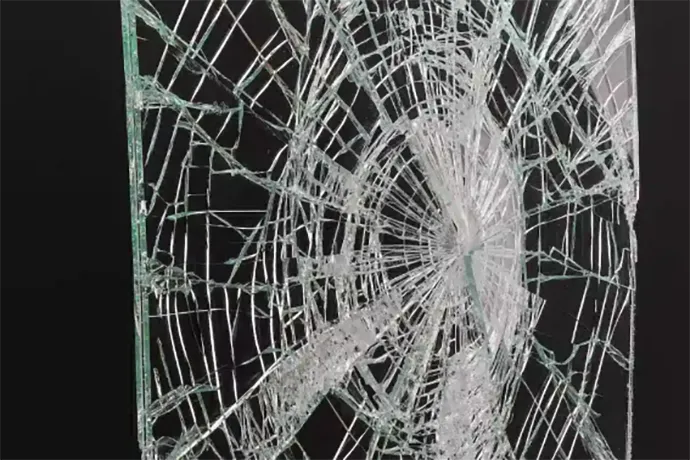
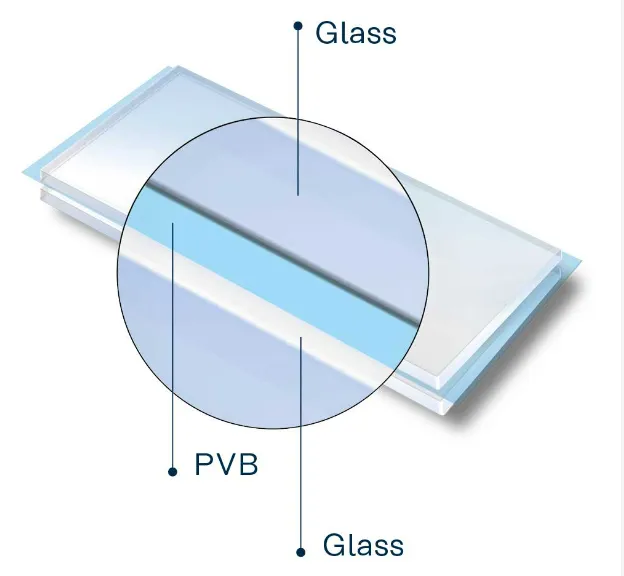
PVB is a transparent resin film. It is best known as the interlayer in laminated safety glass, where it holds the glass together and helps the finished laminate resist impact. The same combination of adhesion, clarity and toughness makes PVB relevant to some solar and building-integrated photovoltaic designs.
In a PV module, PVB can sit between compatible glass and other layers to form a bonded protective laminate. That does not make it suitable for every panel. The glass, cells, rear structure, edge sealing and lamination process all need to work together.
What Are the Main Advantages of PVB in Solar Modules?
PVB can be a useful choice when a project needs strong bonding, a tough laminate or more freedom in the appearance of a glass-based module. Its main advantages include:
- Good adhesion between compatible glass and laminate layers.
- Toughness that can help a laminated structure handle physical impact.
- Optical clarity and light-transmission characteristics suited to the film grade.
- Design options such as selected colours, acoustic properties or film thicknesses, where available.
- Potential benefits for glass-based and building-integrated PV projects.
These are material advantages, not promises about every finished module. A buyer should still check the film datasheet, lamination instructions and module-level test results before specifying PVB for production.
What Role Does PVB Play in Solar Panels?
PVB mainly acts as a bonding and protective layer. It can help hold a glass-based laminate together, but its real performance depends on the surrounding materials and on how the module is made.
How does PVB support encapsulation?
PVB can be placed between compatible glass and other module layers to create a bonded laminate around the photovoltaic structure. The exact layer sequence varies from one design to another, so it should be confirmed with the film supplier and module engineer.
How can PVB affect durability?
A suitable PVB laminate can contribute adhesion and toughness. Long-term behaviour under UV exposure, humidity and temperature cycling still needs to be checked for the specific grade and final assembly.
How can PVB affect light transmission?
Because the film sits in the optical path, its transmission, haze, colour and ageing behaviour matter. These properties should be compared with the requirements of the cells and the finished module, rather than assumed from the word “transparent.”
What mechanical protection can PVB provide?
The film can help absorb or distribute some stress in a laminated structure. It does not replace proper glass selection, edge protection, mechanical design or module testing.
Where is PVB most likely to fit?
PVB is worth considering for glass-based, laminated or building-integrated PV designs where adhesion, appearance and structural integration are important. Compatibility with the glass, cells, rear structure and laminator must be confirmed first.
How Does PVB Compare with EVA in Solar Encapsulation?
PVB and EVA solve related problems, but they are not identical materials and they do not suit every module in the same way. EVA is common in established PV lamination workflows. PVB is often considered when laminated-glass adhesion, appearance or structural integration is especially important.
| Decision factor | EVA | PVB |
|---|---|---|
| Typical fit | Often chosen for established PV encapsulation workflows. | May fit selected laminated-glass, BIPV or design-led applications. |
| Adhesion | Provides adhesion when the grade and lamination process are correctly specified. | Known for strong adhesion in compatible laminated-glass structures. |
| Moisture management | Review the grade, barrier design and edge-sealing approach. | Review moisture behaviour carefully; standard PVB may need additional design controls. |
| Processing | Follow the supplier's recommended lamination cycle and equipment settings. | May need different temperature, pressure and cycle controls from EVA. |
| Optical and design options | Options depend on the film and the module design. | Some grades offer optical, colour or design possibilities. |
| What buyers should verify | Datasheet, process guidance and final-module test results. | Datasheet, moisture controls, process guidance and final-module test results. |
Keep in mind: This is a practical comparison, not a substitute for a material datasheet or certification record. Cost and processing economics depend on the film grade, module design, laminator and supplier data.
Before making a choice, compare humidity exposure, thermal cycling, optical requirements, edge sealing, production cycle and the tests required for the finished module. This EVA and PVB comparison provides useful background, but the final specification should come from the supplier and module manufacturer.
What Questions Do Buyers Usually Ask About PVB?
What is PVB in a solar panel?
PVB, or polyvinyl butyral, is a transparent interlayer used in selected laminated-glass and photovoltaic designs. It can bond and protect the laminate, but its suitability depends on the module construction and environmental requirements.
Is PVB better than EVA for solar modules?
Neither material is automatically better. PVB and EVA have different trade-offs in adhesion, moisture behaviour, processing and application fit. Compare film data and final-module test results for the intended design.
What should buyers check before choosing PVB?
Check moisture exposure, edge sealing, optical requirements, lamination temperature and cycle, glass and cell compatibility, mechanical targets, supplier documentation and validation data.
Can PVB be used in every solar panel design?
No. PVB is a design-specific material. The manufacturer should confirm compatibility with the glass, cells, rear structure, lamination process and target environmental conditions.