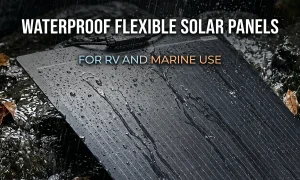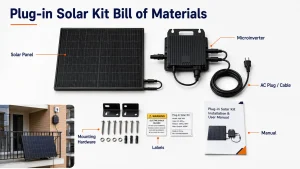


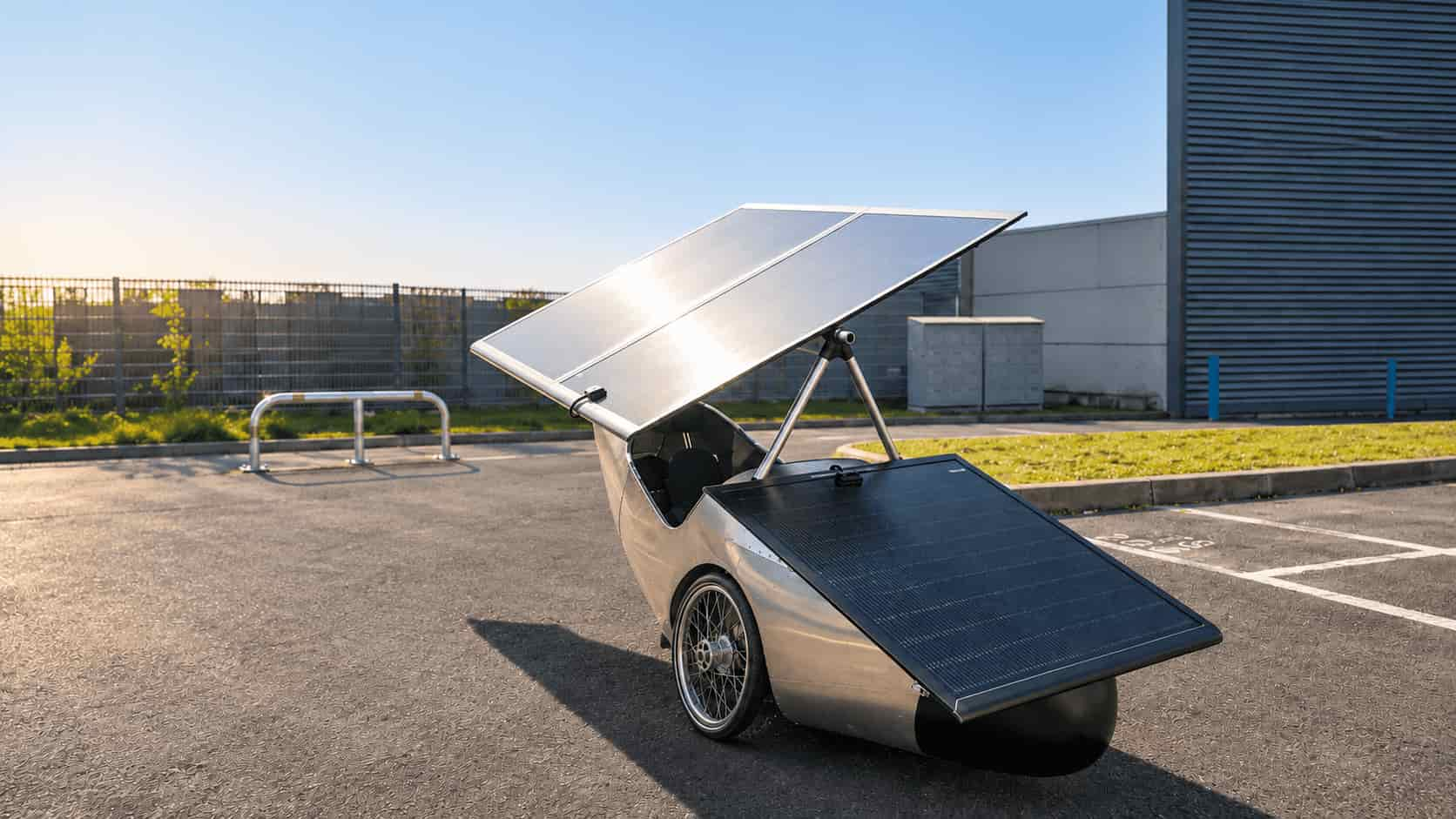
Solar panels for electric bikes need to fit more than a battery and a motor. They also have to work with the vehicle’s available surface, mounting structure, controller limits and daily use. In this Alleweder A4 velomobile project, three Sungold PA621-150W panels are installed on the vehicle, providing 450W of installed rated capacity. A fourth panel was supplied as a spare for the planned long-distance journey.
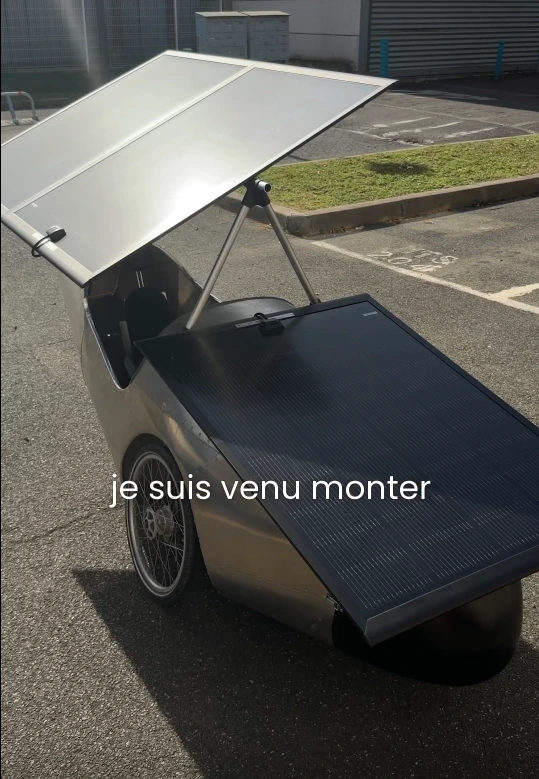
From Paris to Dakar: A Different Kind of Solar Vehicle Project
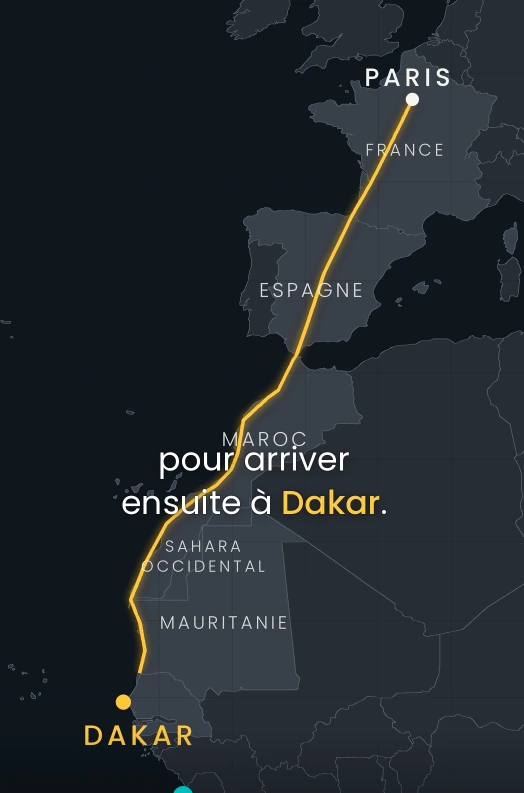
A French cycling enthusiast is preparing an Alleweder A4 velomobile for a planned journey from Paris to Dakar. The route is expected to pass through France, Spain, Morocco, Western Sahara, Mauritania and Senegal.
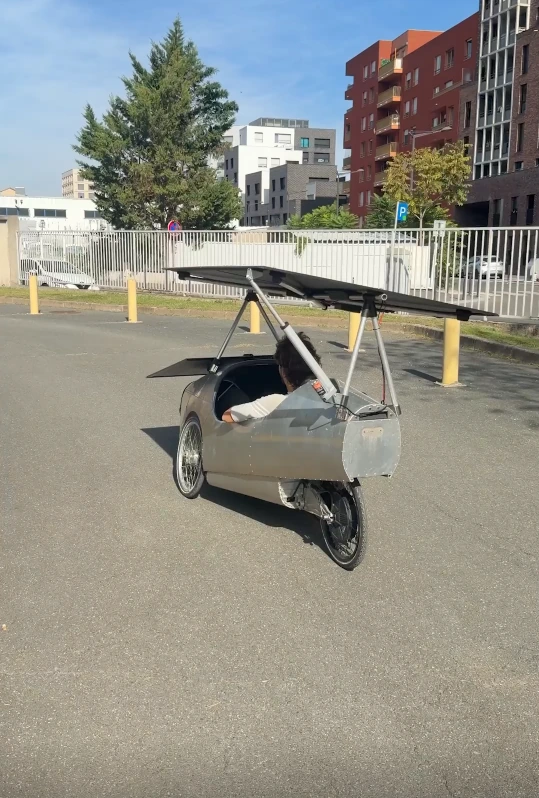
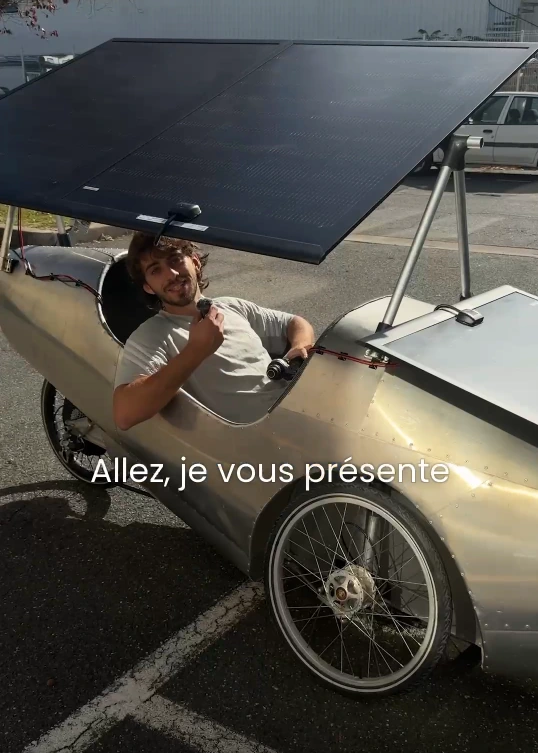
This is not a standard e-bike installation. The Alleweder is a fully enclosed recumbent vehicle with a streamlined body and a limited amount of usable surface. The rider designed and adapted the solar mounting structure and electrical integration around the vehicle he already owned.
The solar system is intended to support the vehicle’s battery while riding and while parked. It is not presented as the sole power source for the motor. The panel, battery, motor, controller and installation surface have to work as one system.
The Vehicle’s Battery and Motor System
The vehicle uses a Grin Technologies RH212 direct-drive hub motor, a VESC-based controller and a 1.4 kWh NMC battery system. The battery is arranged as a 13S3P pack with a nominal system voltage of 48V. The motor’s peak power is approximately 1200W.
For solar charging, the project uses two Genasun GVB-8 Lithium 54.2V WP MPPT controllers. A custom PCB connects the control system, MPPT outputs and battery interface. The vehicle also monitors battery status, riding data, solar power and energy use through its onboard display system.
These figures describe this particular vehicle. They should not be treated as universal specifications for every electric bike or velomobile.
The Final Sungold PA621 Configuration
The final sponsored product is the Sungold PA621-150W V1.0. Each panel measures 1120 × 807 × 12 mm and weighs approximately 5.26 kg.
| Project item | Confirmed detail |
|---|---|
| Panel model | Sungold PA621-150W V1.0 |
| Panel size | 1120 × 807 × 12 mm per panel |
| Installed panels | 3 |
| Installed rated capacity | 450W |
| Vehicle placement | Two panels on the vehicle body and one on the front roof area |
| Spare panel | 1 PA621-150W panel |
| Total sponsored panel capacity | 600W across four panels |
The fourth panel is not counted in the installed 450W capacity. It is a spare component intended to give the rider a replacement option during a long-distance project. The accurate description is 450W of installed rated capacity and 600W of total sponsored panel capacity.
Why Use Three 150W Panels Instead of One Larger Panel?
The answer was shaped by the vehicle, not by the wattage number alone. The available body and front-roof areas are different, so a practical solution had to fit more than one installation zone.
A larger single panel may look attractive on a specification sheet, but it can become difficult to install when its width exceeds the usable surface or when its electrical current is higher than the MPPT input limit. In the earlier design discussion, a PA621-380W option was not adopted because its approximate 11.73A input current was above the project’s approximately 10A MPPT input limit. Its dimensions also did not fit the preferred installation envelope.
A two-panel 120W option was also considered. It reduced the size of each panel, but its combined rated capacity was approximately 240W, below the project’s original target of more than 300W. The final three-panel PA621-150W arrangement offered a more workable balance among panel size, installation area and target capacity.
This does not mean that three smaller panels are always better than one larger panel. It means the best choice depends on the available surface, electrical limits, weight, structure and service plan of the vehicle.
How the Panels Are Distributed Across the Vehicle
Two PA621 panels are installed on the vehicle body, while one is installed on the front roof area. The front and roof solar areas are kept independent rather than combining all panels into one mixed series-parallel string.
Each solar area is managed through its own MPPT charging path. This allows the project to treat the different installation areas as separate electrical sources instead of assuming that they will always receive the same sunlight or operate at the same temperature.
Which Electrical Limits Shaped the Design?
For this project, panel selection had to account for open-circuit voltage, operating voltage, input current and rated power. The MPPT controllers were specified around a 54.2V output and an approximately 10A maximum input current. These are project-level design conditions, not universal values for every electric bike.
Checking only panel wattage would not have been enough. The design also needed to check Voc under the expected temperature range, Vmpp and the controller’s operating window, Im against the MPPT input current limit, the effect of low temperatures on voltage, total power accepted by each controller, cable routing and access to the electrical enclosure.
This is why a higher-wattage panel is not automatically the better option. A panel that cannot be installed within the available space or matched to the controller is not a practical upgrade.
What Does 450W Rated Capacity Mean in Real Use?
The three installed panels provide 450W of rated capacity under specified test conditions. They will not produce 450W continuously during a journey.
Actual solar output changes with sunlight intensity, cloud cover, vehicle direction, panel angle, shading, panel temperature, surface cleanliness, controller and cable losses, and whether the vehicle is moving or parked.
The project therefore uses solar as an auxiliary energy source. The battery and motor remain the main parts of the vehicle’s propulsion system. For buyers comparing solar panels for electric bikes, this is the key distinction: the panel capacity supports the system, but it does not replace the battery design.
For broader installation considerations, see Sungold’s solar panel installation by application guide. For background on photovoltaic operating conditions, NREL also provides photovoltaic research resources.
What This Project Shows About Solar Panels for Electric Bikes
In this build, the available body space made the installation decision clear: the panels had to be split across the vehicle, and the electrical design had to be checked before the final layout was chosen. For a mobile solar system, the vehicle’s shape, weight distribution, controller limits and maintenance access matter as much as the nameplate wattage.
That is the practical reason for using three 150W panels here. They can be placed across the body and front roof area, while a fourth matching panel gives the rider a spare instead of leaving a failed panel difficult to replace during the trip.
What This Case Does Not Prove Yet
The Paris-to-Dakar route is still a planned journey. The vehicle and solar system are being prepared, so this article records the installation and design decisions rather than presenting a completed 12,000-kilometre durability study.
The available project information does not yet establish a fixed daily energy yield, a guaranteed range increase or a completed long-term reliability result. Those figures will depend on measured operating data from the journey.
What Buyers Should Prepare for a Similar Project
Anyone developing a solar-assisted electric vehicle should prepare more than a target wattage before requesting a quotation. The following information helps a manufacturer evaluate the application:
- Vehicle photographs and drawings
- Available length, width and usable mounting area
- Flat or curved surface information
- Battery voltage and capacity
- Motor rated and peak power
- MPPT model, maximum input voltage and maximum input current
- Cable exit location and service-access requirements
- Target installed capacity and whether a spare panel is required
With these details, Sungold can help compare a single large panel, several smaller modules or a custom configuration against the real installation constraints. This approach also follows the same application-first thinking used in Sungold’s guide to solar panels for van conversions.
FAQ: Solar Panels for Electric Bikes
How many solar panels are installed on this velomobile?
Three Sungold PA621-150W panels are installed: two on the vehicle body and one on the front roof area. Their combined installed rated capacity is 450W.
Why was a fourth PA621 panel supplied?
The fourth panel was supplied as a spare for the planned long-distance project. It is part of the 600W sponsored panel package but is not counted in the 450W installed capacity.
Can an electric bike run only on solar power?
That depends on the vehicle, battery, motor, sunlight and energy demand. In this project, the solar panels are used as an auxiliary charging source, not as the sole power source for the motor.
Does a 450W solar installation always produce 450W?
No. 450W describes the installed rated capacity under specified test conditions. Actual output varies with sunlight, angle, shading, temperature, cleanliness and system losses.
Final Thoughts
On this Alleweder A4, three PA621-150W panels provide 450W of installed rated capacity. The fourth panel is kept as a spare for the planned journey, so the 600W figure describes the complete sponsored package, not the active installation.
The project is not a claim that the vehicle has already completed 12,000 kilometres. Its value is more practical: it shows how panel size, installation area, MPPT limits, weight and service planning can shape a mobile solar design.
If you are developing a solar-assisted electric vehicle, share your available mounting area, battery voltage, MPPT limits and vehicle photos with Sungold. These details help determine whether a single panel, multiple modules or a custom configuration is the better fit.