 EN
EN
 Deutsch
 Italiano
 Español
 Français
 日本語
日本語
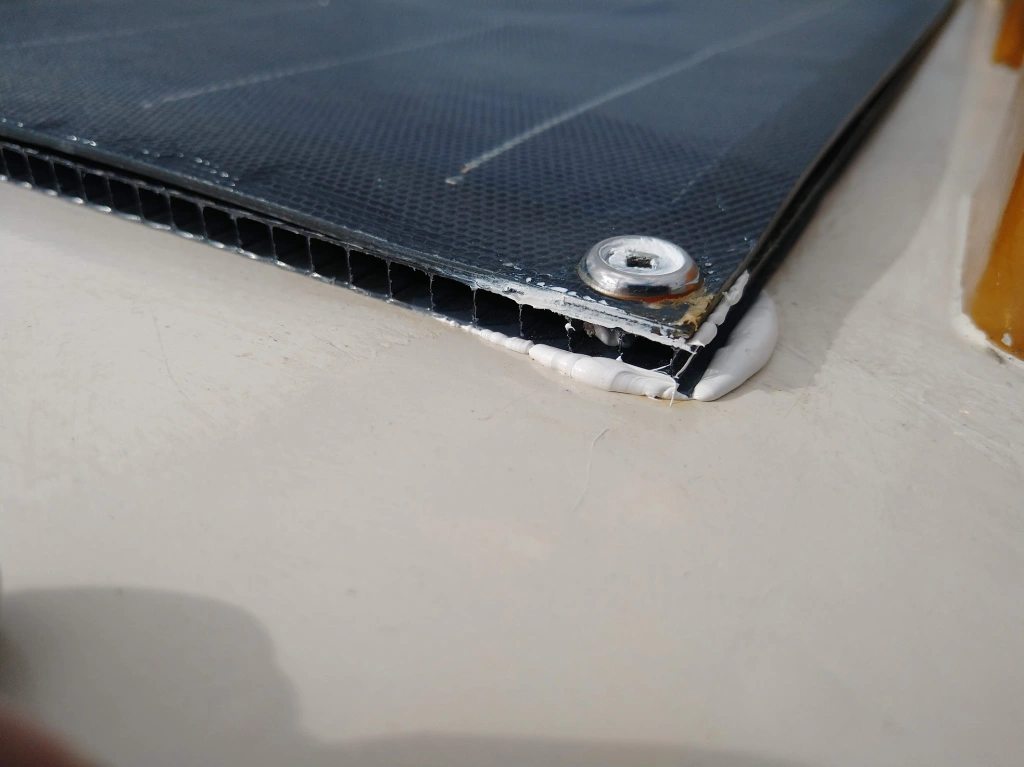
- Flexible solar panels can run hotter when they are bonded directly to a roof or deck without airflow under the module.
- Heat does not always mean the panel is defective. It may come from surface color, poor ventilation, high ambient temperature, shading, wiring loss, or controller behavior.
- Higher module temperature can reduce output. The exact loss depends on the module’s temperature coefficient, mounting method, wind, surface material, and system design.
- The practical fix is usually thermal planning: air gap, mounting surface review, cable routing, shade control, and a panel structure suited to the application.
- For RV, marine, balcony, vehicle, and custom projects, buyers should review panel format, backing material, installation method, and documentation before bulk orders.
Flexible solar panel overheating is usually a system and installation issue, not just a panel issue. A flexible module mounted flat on a hot metal roof will behave differently from the same module installed with airflow, a lighter mounting surface, or a structure that separates the cells from the roof.
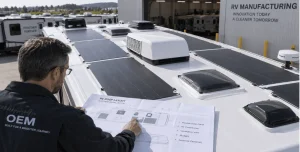
This matters for RV roofs, van roofs, boat decks, balcony railings, vehicle roofs, and custom OEM solar kits. When the panel runs hot, buyers may see lower charging current, weaker voltage under load, faster material aging, or confusing differences between rated wattage and field output.
Flexible Solar Panel Overheating: What It Means
A hot flexible panel does not automatically mean the product has failed. Solar modules operate outdoors, absorb sunlight, and naturally rise above ambient temperature. The real concern is whether the panel is trapped against a surface that prevents heat from escaping.
Rigid glass modules usually sit on rails or brackets, leaving air below the module. Many flexible modules are bonded directly to a roof, deck, hood, or box surface. That installation method saves height and weight, but it can reduce convective cooling.
Why Heat Reduces Solar Panel Output
Solar panels are rated under standard test conditions, but real roofs are not laboratories. In the field, panel temperature changes with irradiance, wind speed, ambient temperature, mounting method, and backing material.
The PV Performance Modeling Collaborative’s Sandia module temperature model uses irradiance, ambient temperature, wind speed, module construction, and mounting configuration to estimate module temperature. In plain language, the panel does not only react to sunshine. It also reacts to the surface below it and the airflow around it.
For buyers, the practical point is simple: a hotter module usually produces less power than the same module operating cooler under the same sunlight.
This is one reason a panel may look fine in full sun but still charge below expectations. If you need a broader diagnostic path, the related guide on why solar panels produce less power than their rated wattage covers shade, heat, wiring, and controller limits together.
Common Causes of Flexible Solar Panel Overheating
| Cause | What Happens | Buyer Check |
|---|---|---|
| Direct roof bonding | Heat is trapped between the panel and mounting surface. | Check whether the installation allows any airflow or thermal separation. |
| Dark or metal roof surface | The roof absorbs heat and transfers it back into the module. | Review roof material, color, surface temperature, and insulation below. |
| No rear ventilation | Convective cooling is reduced. | Consider an air gap, raised strip, channel, or supported mounting method. |
| Partial shading | Uneven current flow can create local heating and output mismatch. | Check vents, rails, antennas, trees, ropes, and deck equipment. |
| Long cable route | Voltage drop and connector heating can reduce charging performance. | Check cable gauge, connector quality, current, and routing distance. |
| Controller mismatch | The panel may not operate near its best power point. | Compare panel Voc, Vmp, Imp, Isc, and MPPT input range. |
How to Check Whether Heat Is the Real Problem
Do not diagnose flexible panel overheating only by touching the panel. A dark module can feel hot even when it is operating normally. Instead, check the system step by step.
| Step | What to Measure or Review | Why It Matters |
|---|---|---|
| 1 | Panel surface and roof surface temperature | Shows whether roof heat is feeding back into the module. |
| 2 | Open-circuit voltage and charging voltage | High temperature usually lowers voltage. |
| 3 | Charging current at the controller | Helps separate panel output from battery charging behavior. |
| 4 | Shade pattern during the day | Partial shade can look like heat-related output loss. |
| 5 | Connector and cable temperature | Warm connectors may indicate wiring or contact resistance issues. |
| 6 | Controller input range | A mismatched MPPT input can limit charging even in good sun. |
For project buyers, this check should happen before blaming the module, battery, controller, or installer. A useful supplier review should look at the complete path from panel surface to controller input and battery charging behavior.
Cooling Options for Flexible Solar Panels
There is no single cooling method that fits every project. RV roofs, marine decks, balcony railings, and vehicle roofs all have different constraints. The right answer depends on weight, height, wind exposure, walking requirements, roof material, and service access.
1. Leave an Air Gap Where the Application Allows It
An air gap can help heat escape from behind the panel. This may be done with raised strips, mounting rails, spacer material, or a supported installation method. The gap must still be compatible with wind load, vibration, waterproofing, and the mounting surface.
2. Avoid Fully Sealed Adhesive Patterns
If adhesive is used, a fully sealed pattern can trap heat and moisture. Some installers use directional adhesive beads or open channels to allow limited airflow and drainage. The adhesive method should follow the panel supplier’s installation guidance and the vehicle or roof material requirements.
3. Review the Roof or Deck Material
Metal, dark fiberglass, black roof membranes, and enclosed boxes can all raise operating temperature. For marine projects, deck texture, salt exposure, cable exit position, and waterproofing also matter. For RV and vehicle roofs, clearance and service access should be reviewed before installation.
4. Use a Panel Structure That Fits the Heat Environment
When height and weight are limited, buyers may need a panel format that includes a more suitable backing structure, mounting method, or cable layout. This is where product selection becomes a thermal design decision, not only a wattage decision.
When a Lightweight Panel May Be a Better Fit
For some applications, a standard thin flexible module is not the best answer. If the buyer needs a flatter, lighter, lower-profile panel but still wants better structure than a very thin laminate, a lightweight panel format may be worth reviewing.
Sungold’s PA621 lightweight solar panels can be reviewed for projects where panel weight, structure, installation surface, and application fit matter. The exact model, mounting method, cable route, and certification scope should still be confirmed before quotation or bulk order.
For curved surfaces, compact RV roofs, marine roofs, and project-specific layouts, buyers may also compare the PA621 path with PA219 flexible solar panels or a custom module design. The right choice depends on the application, not only the material name.
Application-Specific Buyer Checks
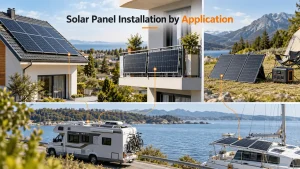
| Application | Heat Risk | What to Confirm |
|---|---|---|
| RV roof | Dark roof, vents, low airflow, summer heat. | Roof material, shade from rooftop equipment, cable route, controller input, service access. |
| Van roof | Curved metal surface and limited roof area. | Panel bend limit, adhesive method, air path, roof paint, and wiring protection. |
| Marine roof or deck | Salt air, deck heat, water exposure, cable sealing. | Surface material, waterproof cable exit, salt mist documentation, and mounting boundary. |
| Balcony solar | Wall reflection, railing shade, limited panel angle. | Mounting angle, shade pattern, microinverter or battery input, and local product guidance. |
| Commercial vehicle | Long sun exposure, vibration, roof equipment. | Panel size, cable protection, battery voltage, controller location, and maintenance access. |
What to Ask Before Bulk Orders
For distributors, system brands, and OEM/ODM buyers, overheating risk should be checked before sampling and bulk purchase. A useful RFQ should include more than panel wattage.
- Target application: RV, marine, balcony, vehicle, portable, or off-grid.
- Mounting surface: metal, fiberglass, deck, roof membrane, wall, or frame.
- Installation method: adhesive, rails, bracket, spacer, removable mount, or custom housing.
- Panel voltage and current requirements.
- Controller or MPPT input range.
- Cable exit position and cable length.
- Expected operating environment: heat, shade, salt air, vibration, or frequent movement.
- Required documentation: datasheet, installation guidance, certification scope, and test reports where applicable.
For custom projects, Sungold can review panel dimensions, cable position, voltage, current, backing structure, and application fit through the custom solar panel path. Final performance, certification, warranty, and installation claims should always match the exact model and confirmed project documentation.
FAQ
They can run hotter when bonded directly to a roof or deck because rear airflow is limited. Rigid panels often have more space below the module, which can improve cooling.
Yes. Higher module temperature usually lowers voltage and maximum power output. The exact loss depends on the module temperature coefficient, sunlight, mounting method, and operating conditions.
Direct bonding may be possible in some applications, but it should be reviewed carefully. A fully sealed adhesive layer can trap heat and moisture. Buyers should follow supplier installation guidance and consider airflow, drainage, service access, and roof material.
An air gap can help improve heat dissipation when the mounting design allows it. The gap must still be compatible with wind, vibration, waterproofing, cable routing, and the mounting surface.
Buyers should ask for the panel structure, backing material, installation guidance, cable exit options, controller matching requirements, target environment, and model-specific documentation before sampling or bulk purchase.
Final Thoughts
Flexible solar panel overheating is not solved by one slogan. It is solved by matching the panel, mounting surface, airflow, wiring, controller, and application environment.
For small systems, even a modest air path or better mounting choice can reduce thermal stress. For B2B projects, the safer approach is to review the installation surface and system design before choosing the panel construction.
If the project involves RV, marine, balcony, vehicle, or custom kit applications, the panel decision should be made together with cable routing, controller input, mounting method, and documentation requirements.
Source Notes
PV Performance Modeling Collaborative: Sandia Module Temperature Model