

Flexible solar panel maintenance is usually straightforward, but the wrong cleaning method can create a problem that is harder to fix than the original dirt. If a panel is dirty, clean it gently. If it has bubbles, lifted edges, cable damage or a sudden unexplained power drop, stop cleaning and inspect the installation.
A van owner may notice lower solar output after several dusty trips and assume that the panel simply needs washing. After cleaning, the output may still remain low. The cause could be a lifted edge, a stressed cable, heat trapped beneath the panel or damage near the junction box.
That distinction is the starting point for a useful maintenance plan. Cleaning removes surface contamination. It does not repair a damaged laminate, loose connection or poor installation detail.
What Does Flexible Solar Panel Maintenance Include?
Maintenance is more than wiping the front of a panel. It includes four simple checks:
- Remove dirt that may reduce light reaching the surface;
- Inspect the panel surface and edges;
- Check cables, connectors and the junction box;
- Compare system output when operating conditions are similar.
NREL guidance for photovoltaic operation and maintenance also treats cleaning as part of a wider maintenance plan. It recommends following the module manufacturer’s instructions and using plain water or an approved mild detergent rather than hard brushes or abrasive materials. See the NREL best-practices guide for PV operation and maintenance.
Is the Panel Dirty or Is It Already Damaged?
Before using water or a cleaning tool, look closely at the panel.
Dust, pollen, light mud, salt residue and bird droppings are surface contamination. They may reduce output and can often be removed with a gentle cleaning method.
Bubbles, cracks, delamination, lifted edges, discoloration, damaged cable insulation or water around a junction box are different. These signs may indicate a structural or electrical problem. Scrubbing the area will not solve it and may make it worse.
A useful rule is simple:
If the problem stays on the surface, clean it. If the problem changes the structure or connection, stop cleaning and inspect it.
How Should You Clean a Flexible Solar Panel?
For ordinary dust, begin with the least aggressive method. Let a hot panel cool before cleaning, rinse loose dirt away and use a clean, soft cloth or sponge. Do not start by rubbing a dry surface because sand, salt and road dust can scratch the panel when dragged across it.
- Inspect the panel while it is dry.
- Check the edges, cable exit and junction box.
- Rinse loose dust and grit away.
- Use clean water and a soft, clean cloth or sponge.
- Wipe gently without pressing hard on the surface.
- Rinse away remaining residue.
- Allow the panel to drain and dry, then inspect it again.
The exact method should follow the instructions for the quoted model. If the panel uses a polymer surface such as ETFE or PET, do not assume that a cleaner designed for glass, vehicle paint or metal is automatically compatible.
What Should You Avoid During Cleaning?
Most cleaning-related damage comes from excessive force or from using a chemical that was never approved for the surface.
Dry scrubbing
Dry dirt can contain small particles that behave like abrasive material. Rinse first, then wipe.
Hard brushes
A stiff brush may place too much pressure on the surface and edges. The risk is higher when the brush catches a lifted edge or cable.
Pressure washers
High-pressure water can force moisture toward the junction box, connector, cable exit or panel edge. Unless the exact product instructions allow it, pressure washing should not be treated as routine maintenance.
Strong chemicals
A solvent or detergent that works on a vehicle body may affect a flexible panel surface, backing layer or adhesive. If water and a soft cloth cannot remove a stain, confirm compatibility before trying a stronger product.
Cleaning a very hot panel
A panel exposed to strong sunlight can become hot. Cleaning it with cold water may create unnecessary thermal stress, especially when the panel is bonded to a different surface or already under tension.
Why RV, Marine and Roof Maintenance Are Different
The cleaning method may be similar, but the source of contamination and the mechanical risk change with the application.
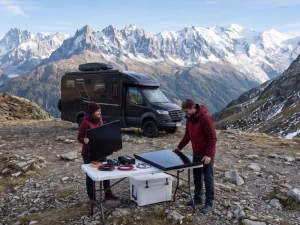
On an RV, road dust, pollen, leaves and washing residue are common. Vibration also matters. A cable that looks secure while parked may rub against a vent, roof fitting or sharp edge during repeated travel. Inspect the panel after long trips and before extended travel.
Marine installations face salt spray, humidity, bird residue and limited access. Salt can remain on the surface after water evaporates. Ropes, deck equipment and foot traffic may also create mechanical stress. A panel should not be described as suitable for marine use only because a product page uses the word “waterproof.”
On a low-slope roof, drainage and access may be more important than the cleaning interval. Dirt can collect around panel edges, cable routes and roof equipment. Cleaning should not push debris toward a drain or create a new area where water can remain.
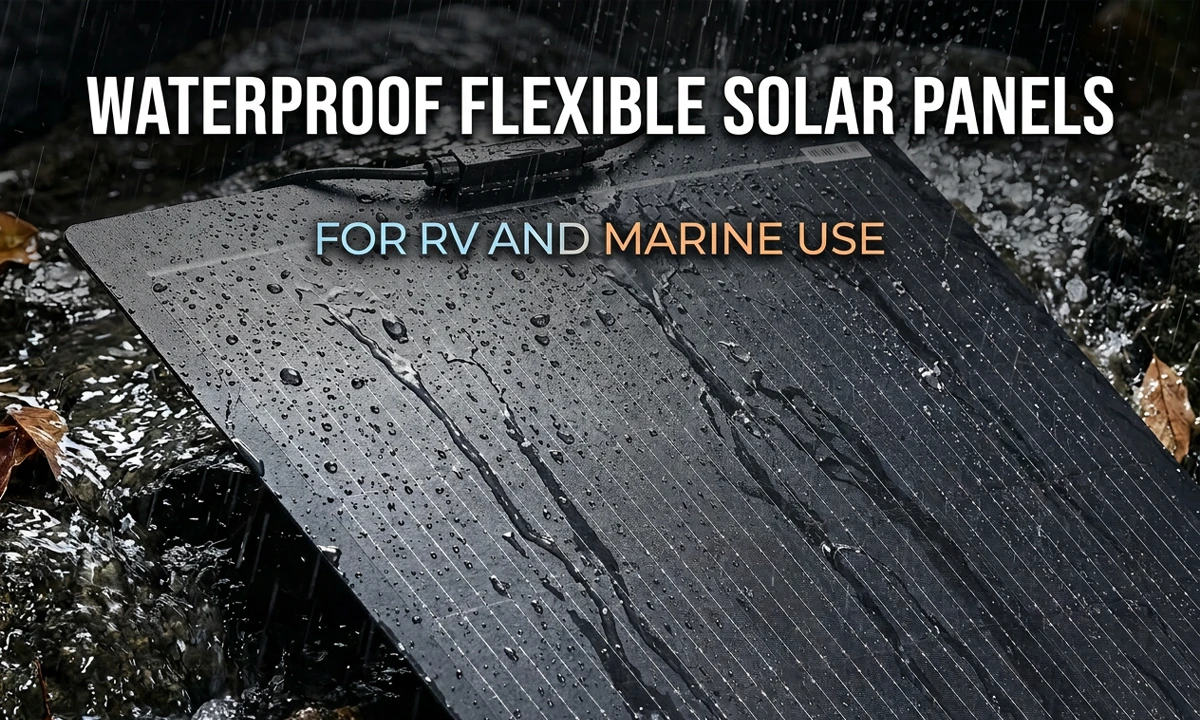
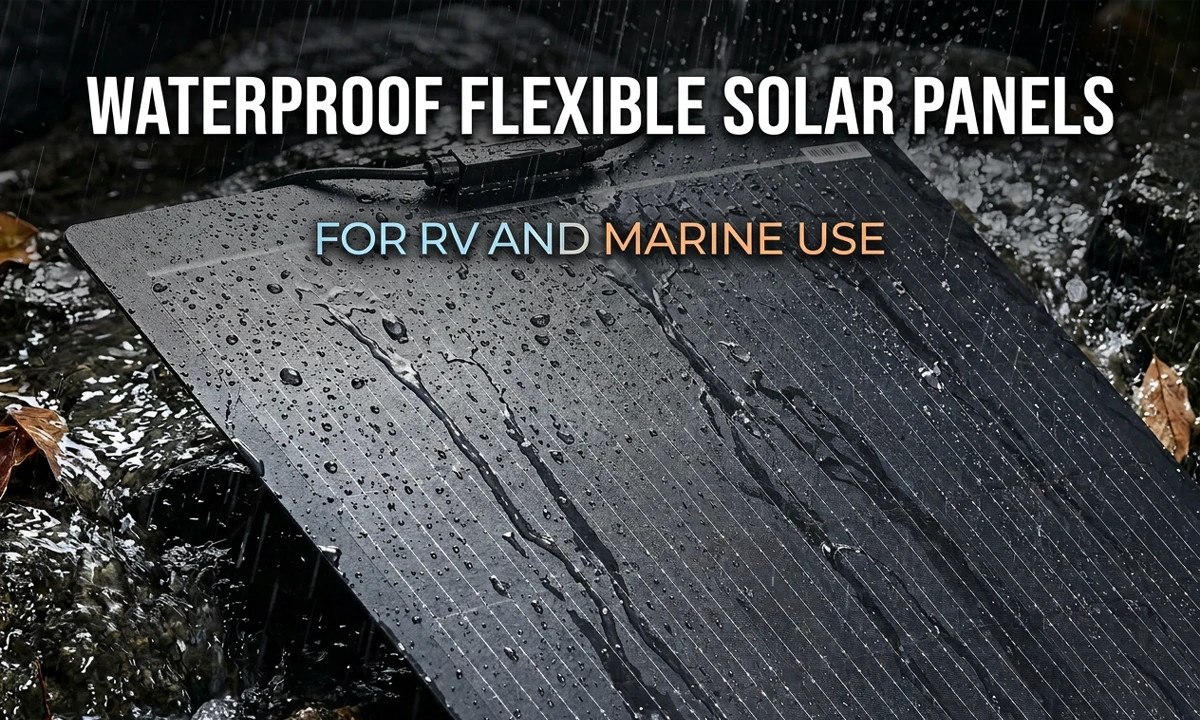
Our guide to waterproof flexible solar panels for RV and marine use explains why the complete panel and cable installation matters more than the word “waterproof” alone.
When Does Cleaning Stop Being the Solution?
Suppose the panel is cleaned carefully, but output remains lower than before. Check the operating conditions first. Sunlight, panel temperature, shading, battery state and power-station limits can all affect the reading.
If the conditions are reasonably similar and output remains abnormal, inspect the installation for:
- Bubbles or separation under the surface;
- Cracks or impact marks;
- A lifted or curling edge;
- Burn marks or unusual discoloration;
- Damaged cable insulation;
- A loose or corroded connector;
- Water around the junction box;
- A local area that becomes unusually hot.
Do not cover a suspected electrical or structural problem with new adhesive or sealant before identifying the cause. A quick patch may hide water entry and make later inspection more difficult.
What Should Buyers Confirm Before Purchasing?
Maintenance begins before installation. For an RV, marine project or low-load roof, ask the supplier:
- What surface material does the panel use?
- What cleaning method is recommended?
- Are detergents or solvents allowed?
- Is pressure washing prohibited?
- How should the panel edge be inspected?
- How are the junction box and cable exit protected?
- What mounting method is recommended?
- Can the panel be removed for roof or deck maintenance?
- Which environmental and test documents apply to the exact model?
For Sungold projects, the panel should be reviewed together with the application. PA219 is positioned for projects where weight, mounting surface, cable routing and documentation need to be considered together. This does not mean every PA219 configuration is suitable for every roof, boat or curved surface. The exact model, construction and project conditions still need to be confirmed.
For irregular surfaces, confirm the dimensions, cable exit direction and installation method before production. See also our guide to custom-shaped solar panels for curved and irregular surfaces.
When Should You Stop Using the Panel?
Stop normal cleaning and request a technical inspection when the surface is cracked, the panel is bubbling or separating, the edge is lifting, the cable exit is damaged, the junction box shows signs of water entry, the connector is loose or corroded, or the panel has a sudden unexplained power drop.
A dirty panel can usually be cleaned. A damaged panel needs to be assessed.
FAQ: Flexible Solar Panel Maintenance
Can I pressure-wash flexible solar panels?
Do not use pressure washing as a routine method unless the exact product documentation permits it. High-pressure water may stress the panel edge, junction box, cable exit or connectors.
Can soap damage a flexible solar panel?
It can, depending on the surface and chemical formulation. Use only a cleaning product confirmed to be compatible with the exact panel surface. Clean water and a soft cloth are the safer starting point.
How do I know whether low output is caused by dirt or damage?
Clean the surface gently, then compare output under similar sunlight, temperature and battery conditions. If output remains low or the panel shows bubbles, cracks, lifted edges, hot spots or cable damage, the issue is unlikely to be surface dirt alone.
Final Thoughts
Flexible solar panel maintenance does not need to be complicated. The important part is knowing when to clean and when to stop.
Use water and soft tools for ordinary dirt. Avoid dry scrubbing, aggressive chemicals and unconfirmed pressure washing. After cleaning, inspect the edges, cable route, connectors and mounting surface.
For RV, marine and low-load roof projects, the most useful maintenance plan connects cleaning with installation inspection. That gives the user a better chance of finding a real problem before it becomes a failure.