





Flexible solar panels do not automatically fail faster than rigid panels. Early failure is often linked to heat, mounting stress, moisture, vibration, cable strain, or a mismatch between the panel structure and the installation environment.
RV and marine installations expose panels to movement, thermal expansion, humidity, salt air, and difficult maintenance conditions. These factors can affect adhesives, backsheets, cell connections, encapsulation, and cable exits.
The right way to evaluate a flexible solar panel is to match the panel structure, mounting method, thermal management, cable routing, and protection level to the application.
Quick Answer: Why Do Flexible Solar Panels Fail Faster in Some RV or Marine Installations?
Flexible solar panels may fail early on RVs or boats when the installation traps heat, creates repeated mechanical stress, allows moisture into vulnerable interfaces, or places strain on the adhesive, cable, or cell structure. The panel type is only one part of the failure risk. Mounting method and operating environment are equally important.
Flexible solar panels are increasingly favored for their lightweight, adaptable design, making them ideal for various applications such as RVs, boats, gardens, and lightweight rooftops. Their versatility is matched by their ability to fit on irregular surfaces and their relatively lower cost. However, they also present unique challenges that may impact their performance and lifespan. This article explores common problems with flexible solar panels, such as overheating, durability issues, and hot spots, delving into their underlying causes and offering practical solutions.
What Are Flexible Solar Panels?
Flexible solar panels, are the most affordable solar panels available. If you want to install some solar panels on top of your caravan, on the roof of your shed, in your garden, on your balcony, or on your pergola, this type of solar panel is usually recommended.The reason it is so affordable is because of the manufacturing process. Less material is needed to build a flexible solar panel than a standard solar panel. It is made of a thin photovoltaic material that is submerged in a plastic, glass or metal base. This is a simpler process than the silicon bath and spinning process for monocrystalline solar panels.
The end product is an extremely flexible and versatile product with superior heat resistance to other types of solar panels.They are also much smaller. So if you plan to install some flexible solar panels on your roof, there is no need to use multiple layers to support the added weight.Speaking of layers, the layer in these flexible solar panels has a different configuration than crystalline solar panels.
It uses different materials to fully absorb the light so that it doesn’t lose too much energy when the sun goes down or when it’s cloudy.
All in all, many people face some negatives and problems while using flexible solar panels. However, for every problem there is a solution.
Before we discuss these problems, let’s take a look at why so many people are buying flexible solar panels.
What Are the Benefits of Flexible Solar Panels?
Despite their limitations, flexible solar panels provide significant advantages for specific applications:
Lightweight and Portable: Easy to transport and install, especially in off-grid setups.
Self-Adhesive Installation: Self-adhesive solar panels simplify installation on curved or irregular surfaces.
Versatile Applications: Suitable for RVs, boats, and camping. For instance, a panel solar flexible 100W is perfect for powering small devices and appliances.
Why Do Flexible Solar Panels Overheat?
Reason: Overheating occurs because flexible solar panels are often installed flush against surfaces without proper ventilation. Unlike rigid panels that often have frames to allow airflow, the lack of elevation for flexible panels can trap heat, especially on dark surfaces like RV roofs or boats. This heat buildup decreases panel efficiency and accelerates material degradation.
Solutions:
Enhance Ventilation: Elevate the panels slightly from the surface to allow air to circulate and dissipate heat.
Install Heat-Resistant Materials: Use panels with advanced backsheet designs like honeycomb structures, which minimize heat transfer. For instance, Sungold PA621 panels incorporate such features to reduce overheating.
Choose Reflective Surfaces: Install panels on light-colored or reflective surfaces to reduce heat absorption
Why Do Flexible Solar Panels Have a Shorter Lifespan?
Reason: The lifespan of flexible solar panels is often compromised due to their thinner, more flexible design and absence of protective glass. Constant exposure to UV radiation, bending, and environmental stressors like hail or high winds can cause wear and tear.
Solutions:
Limit Bending: Avoid bending panels beyond their design tolerance, usually capped at 30 degrees, to prevent internal micro-cracks.
Use Durable Materials: Opt for panels coated with UV-resistant ETFE, which offers better protection against sunlight and weather damage.
Regular Maintenance: Periodic cleaning and inspection help detect damage early, extending panel life.
Why Does Delamination Occur in Flexible Solar Panels?
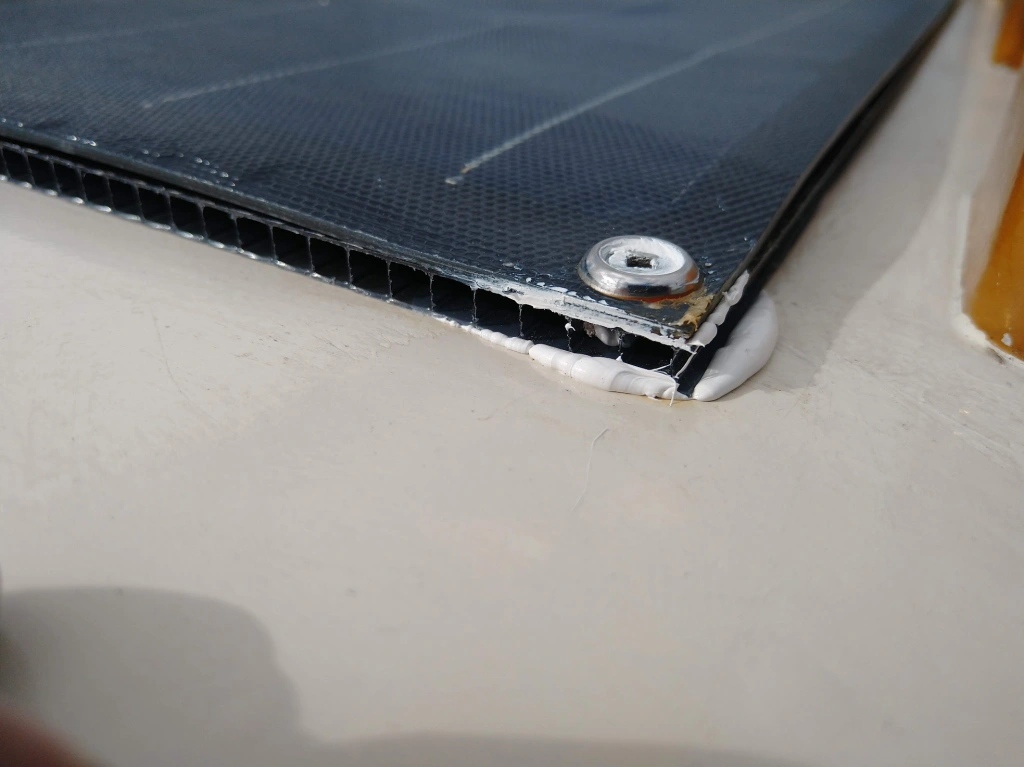
Reason: Delamination is caused by the breakdown of adhesives or layers within the panel, often due to prolonged exposure to UV rays, extreme temperature fluctuations, or moisture ingress. This compromises the panel’s structural integrity and efficiency.
Solutions:
Choose High-Quality Encapsulation: Panels with multi-layer ETFE or weather-resistant coatings are less likely to experience delamination.
Avoid Harsh Environments: Store panels when not in use and install them in less extreme environments whenever possible.
Inspect Regularly: Look for early signs of delamination, such as bubbling or peeling, and address them promptly.
What Causes the Hot Spot Effect in Flexible Solar Panels?
Reason: The hot spot effect arises when parts of the panel are shaded or damaged, causing localized overheating. This can result in permanent damage, reduced output, or even a fire hazard. Flexible solar panels are more susceptible to this issue due to their thinner design and lack of protective layers.
Solutions:
Install Bypass Diodes: These diodes redirect current around the shaded or damaged areas, preventing excessive heating.
Ensure Proper Cleaning: Keep the panel surface free from dirt, debris, or obstructions that might cause shading.
Use Hot Spot Resistant Panels: Sungold panels utilize zero-hot-spot technology to mitigate this issue, even under partial shading conditions.
Why Not Use Flexible Solar Panels for Large-Scale Power?
While flexible solar panels excel in portability and adaptability, they are not the best option for large-scale or high-energy demands. The main reasons include:
Lower Efficiency: Flexible panels often have lower conversion efficiency compared to rigid crystalline panels.
Durability Concerns: The absence of a sturdy frame and thinner materials make them less reliable for long-term use.
Heat Sensitivity: Their tendency to overheat under high loads limits their suitability for intensive applications.
For large-scale projects, traditional rigid panels with better efficiency and structural integrity are recommended.
How to Maximize the Lifespan of Flexible Solar Panels?
To extend the life and improve the performance of flexible solar panels:
Choose High-Quality Products:The first is to purchase a solar panel manufacturer like Sungold that specialises in manufacturing flexible panels. Ensuring high quality flexible panels will ensure that you get the best panels and minimise the possibility of degradation.
Install Properly: Follow manufacturer guidelines to prevent over-bending and ensure proper ventilation.
Maintain Regularly: Clean panels frequently and inspect for signs of damage, such as cracks or delamination
Why Do Flexible Solar Panels Fail Faster in Some RV or Marine Installations?
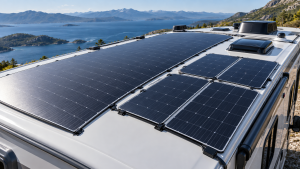
Flexible solar panels are often selected for RV and marine projects because they are lightweight, low profile, and easier to fit on curved or weight-sensitive surfaces. Those advantages do not remove the need to manage heat, movement, moisture, and maintenance access.
In practice, early failure usually comes from the interaction between the panel and its installation environment. A panel installed on a hot RV roof may face a different stress pattern from one installed on a ventilated marine frame. The same product can therefore perform differently in two applications.
| Installation condition | Possible failure pressure | What to check |
|---|---|---|
| Bonded directly to a hot roof | Heat buildup and repeated thermal expansion | Rear airflow, roof temperature, adhesive coverage, and panel structure |
| RV travel and road vibration | Mechanical fatigue at cells, edges, connectors, and cable exits | Strain relief, edge protection, bend limits, and roof movement |
| Marine deck or bimini | Humidity, salt mist, movement, and difficult servicing | Surface material, sealing, cable routing, corrosion protection, and drainage |
| Poor drainage or trapped moisture | Degradation around edges, bonds, and electrical interfaces | Water paths, sealing details, inspection access, and material compatibility |
How Can You Tell Whether the Problem Is Installation or Panel Design?
Start with the failure pattern rather than assuming that flexibility is the cause. Localized discoloration or output loss may require a different investigation from edge lifting, adhesive separation, visible cracking, or damage around a cable exit.
- Heat-related symptoms: repeated output reduction during hot conditions or visible material stress.
- Bond or adhesive symptoms: lifting edges, bubbles, gaps, or separation between the panel and mounting surface.
- Mechanical symptoms: cracks, creases, delamination, or damage near high-movement areas.
- Moisture or marine symptoms: corrosion, water ingress, or degradation around connectors and cable entries.
These signs do not prove a single cause. They indicate which installation and product records should be reviewed first.
What Should RV and Marine Buyers Check Before Installation?
- Confirm the roof or deck material and its expected movement.
- Check whether the recommended mounting method allows enough heat management.
- Review bending limits and avoid forcing the panel into a tighter curve than specified.
- Protect cable exits and provide strain relief where the surface or vehicle can move.
- Keep drainage paths clear and avoid creating pockets where water can remain.
- Ask the supplier which environmental conditions and tests apply to the intended use.
- Plan how the panel can be inspected, repaired, or replaced later.
For detailed RV mounting considerations, see the RV flexible solar panel installation guide. For marine projects, compare the requirements in the marine flexible solar panel guide.
Does Flexible Mean Less Durable?
Not necessarily. Flexible and rigid panels are designed for different installation constraints. Flexible panels can be useful where weight, profile, or curved surfaces matter, while rigid panels may offer easier rear ventilation and servicing in some installations.
The better question is whether the panel structure and mounting method match the application. Buyers should review the expected heat, vibration, moisture, bending, cable routing, and maintenance conditions instead of judging durability from panel format alone.
Final thoughts
Flexible solar panels, including popular products like the panel solar flexible 100W, offer an innovative and adaptable solution for renewable energy. While challenges such as overheating, short lifespan, and hot spots exist, these can be mitigated with careful selection, installation, and maintenance practices.
Flexible solar panels have their problems, but that doesn’t mean you shouldn’t buy them. They are very useful and have a wide range of applications. The flexibility and ability to bend means that they can be mounted on curved surfaces, which means that you can use them as a source of power for vehicles such as caravans or even boats. If you want an attractive and flat solar array, you can mount them on your roof. They are also useful when you need lightweight solutions, such as mounting solar installations on plastic awnings and metal overhangs.
For reliable and high-performance flexible solar panel kits, explore Sungold’s range of solutions at Sungold Solar. Make the most of flexible solar technology to power your adventures and off-grid systems efficiently.